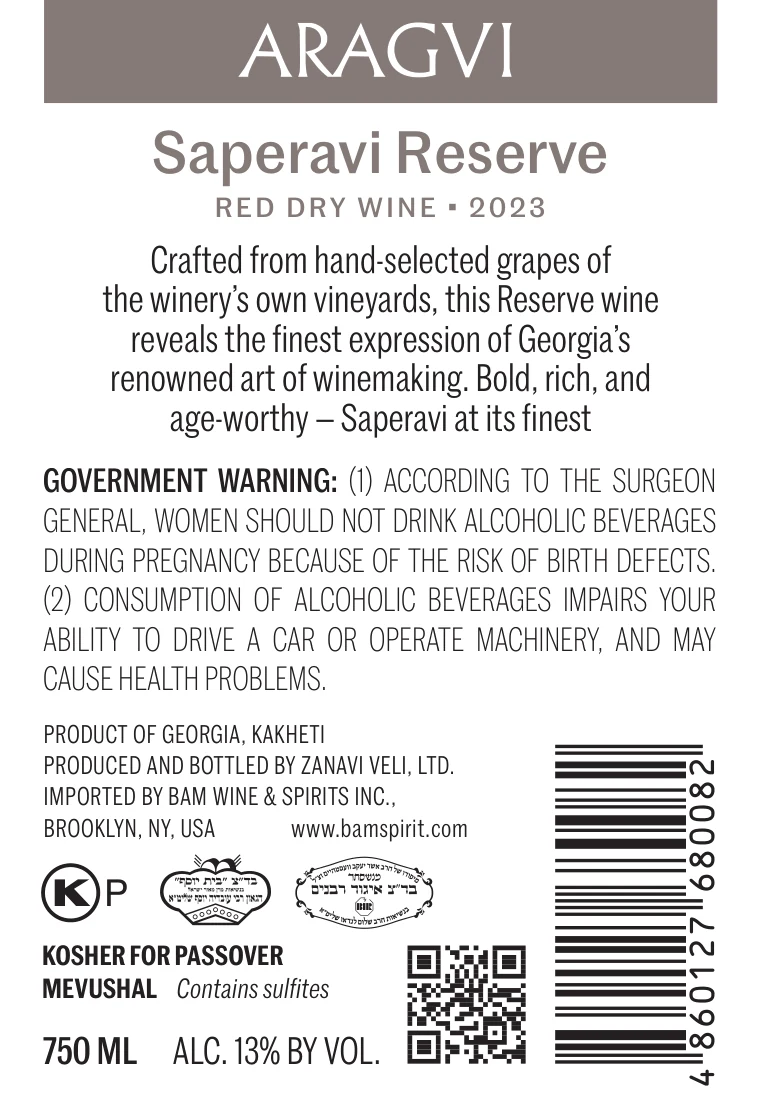
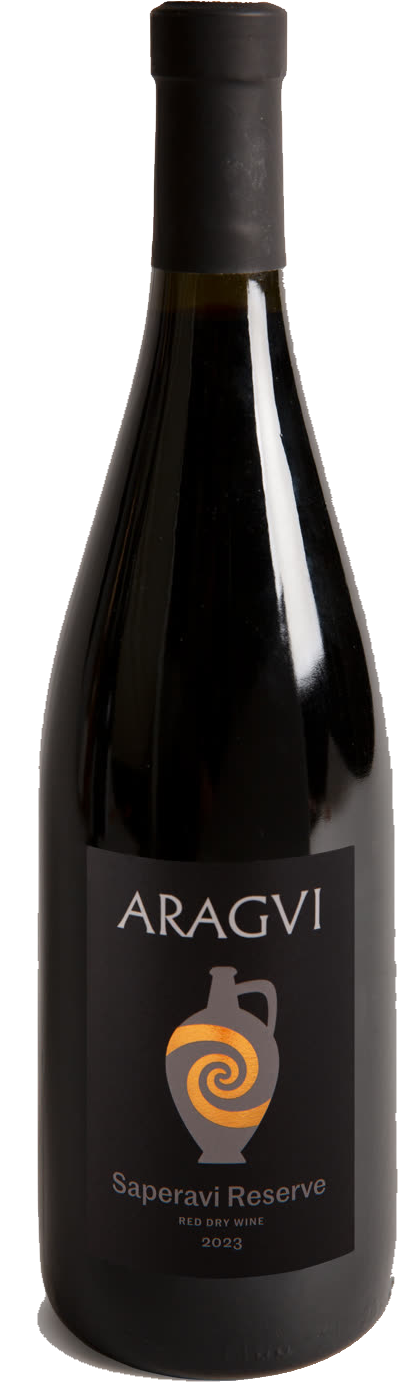
SAPERAVI RESERVE
2023 · 100% SAPERAVI · 13% ALC.
A wine for today’s celebrations and tomorrow’s cellar. One bottle is rarely enough.
ARAGVI
Where Rivers Become Wine
You must be 21 or older to enter this site.
GEORGIAN WINE
From the valleys of Kakheti to the highlands of Racha, ARAGVI brings together wines shaped by Georgia’s ancient vineyards, indigenous grapes, and living winemaking traditions.
SAPERAVI RESERVE
2023
Georgia’s signature red. A pure expression of Kakheti.
KAKHETI, GEORGIA
From vineyards beneath the Caucasus Mountains to tables thousands of miles away, every ARAGVI wine carries a sense of place.
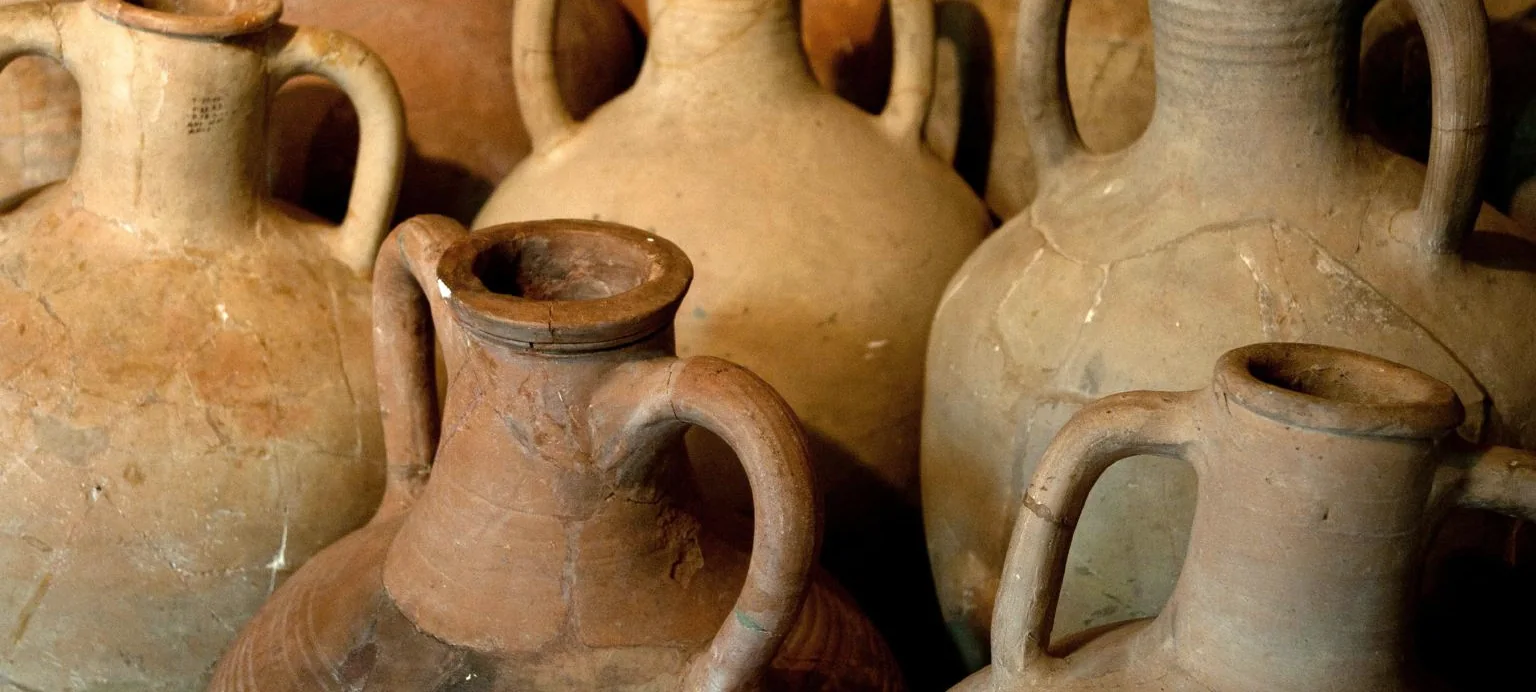
Georgia has been making wine for thousands of years. Its grapes, landscapes, and traditions have endured through generations, not simply preserved, but lived and passed from one generation to the next.
ARAGVI brings that heritage into the present.
WHERE RIVERS MEET
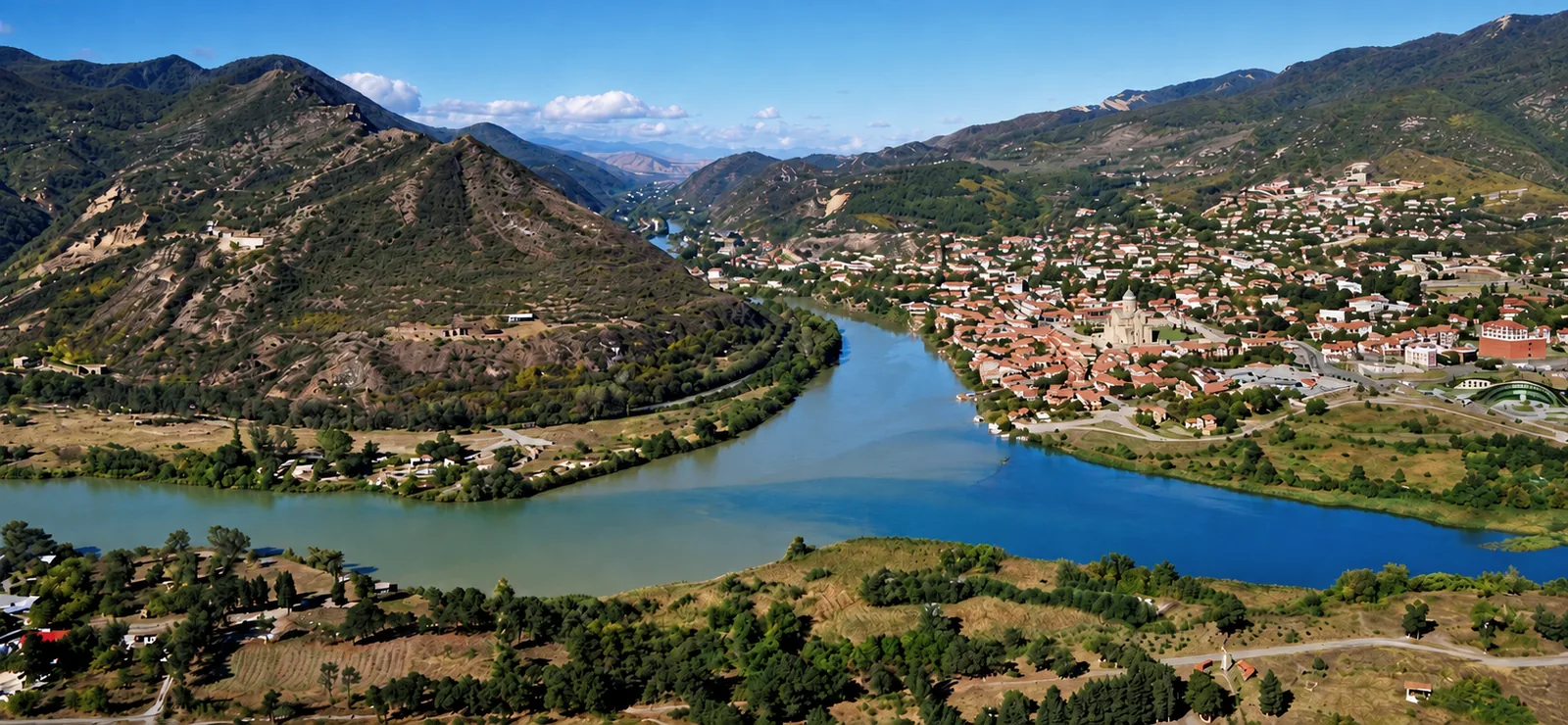
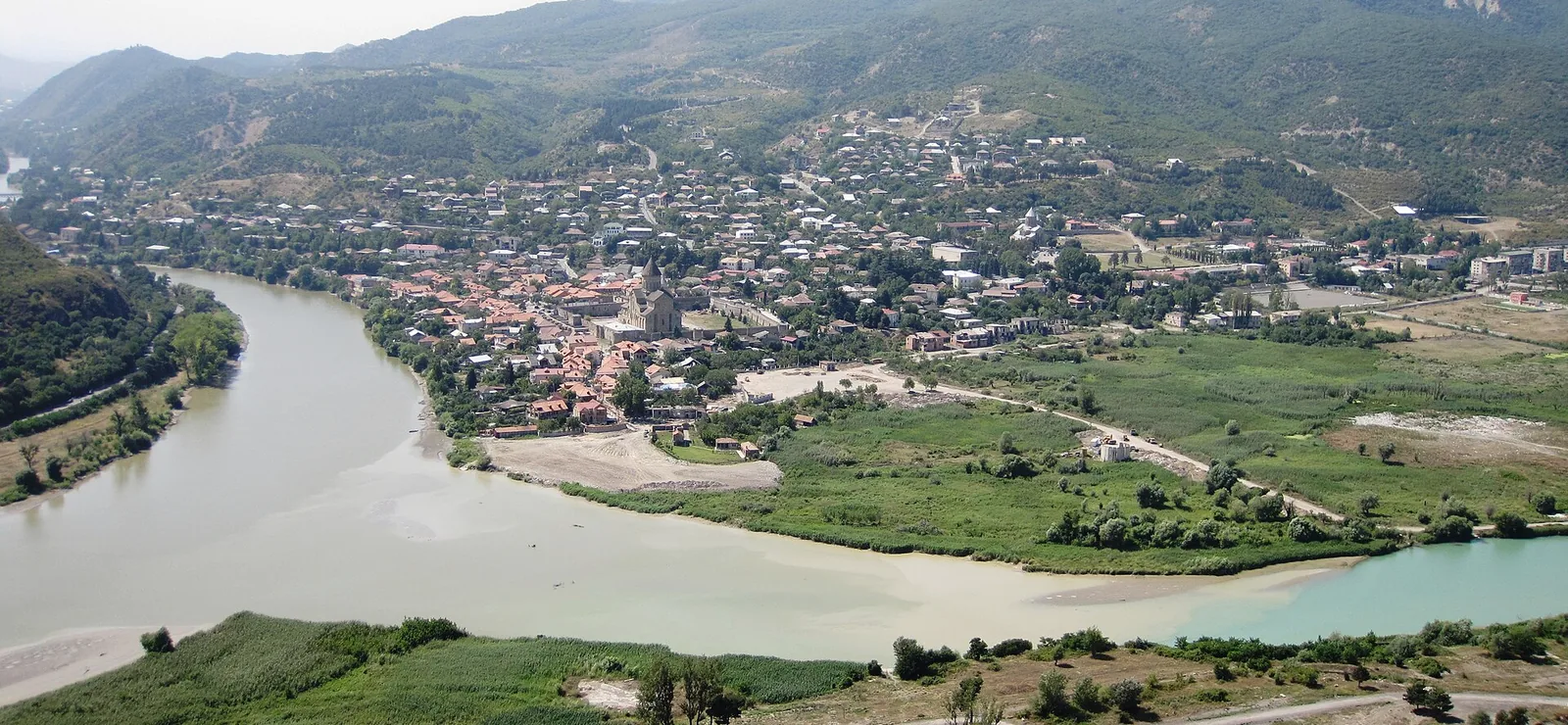
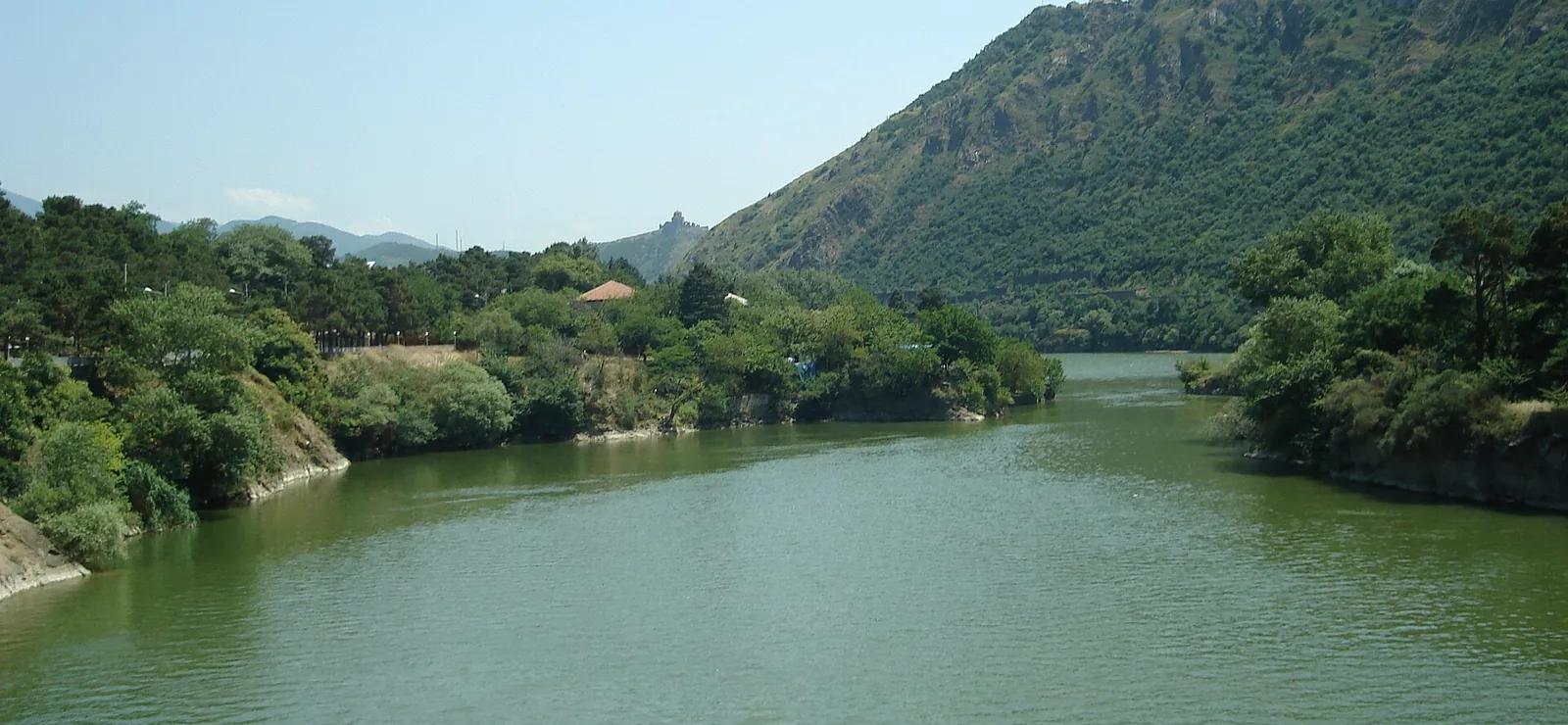
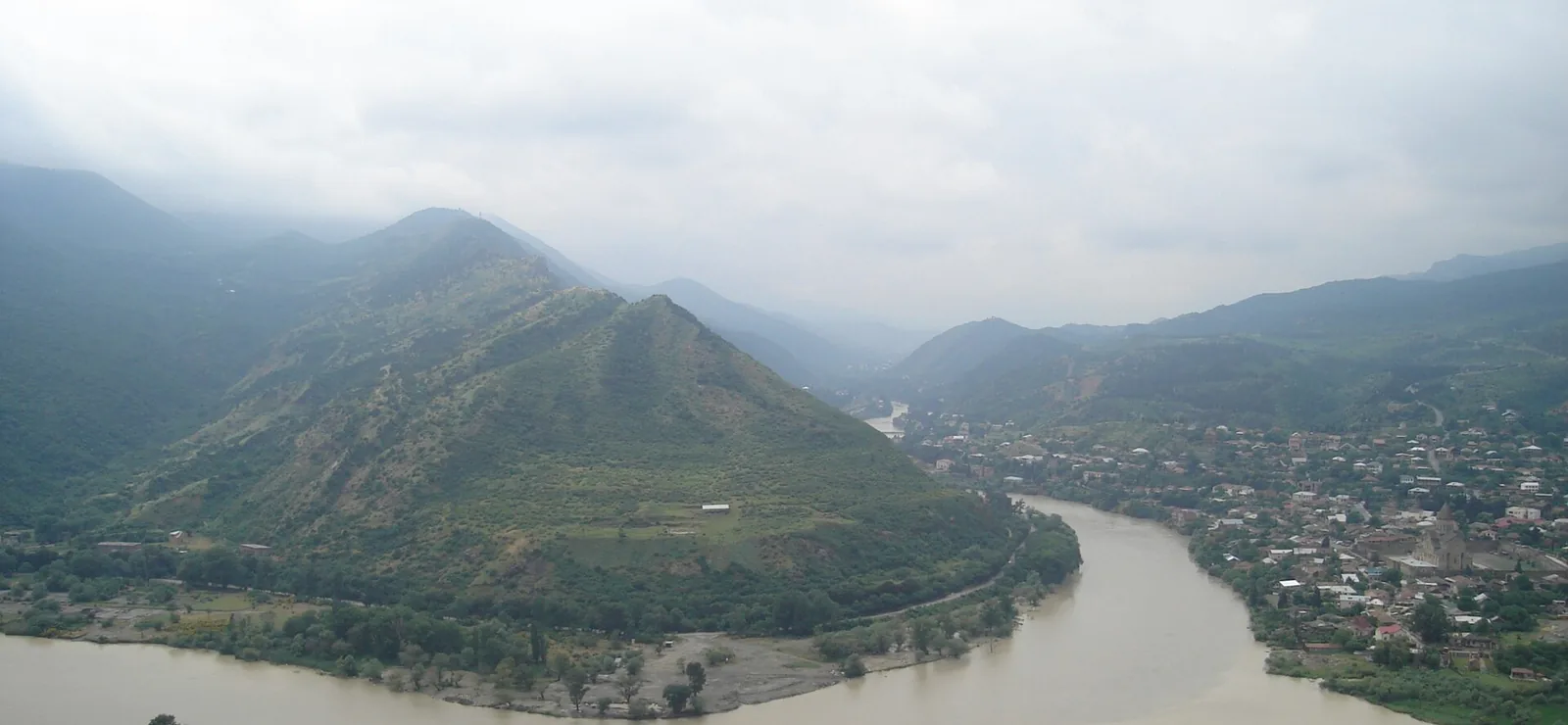
Below the ancient city of Mtskheta, the Aragvi meets the Kura, bringing together two rivers, two landscapes, and two distinct paths.
For centuries, these waters have flowed side by side, each carrying the character of the land through which it passes, before joining as one.
This meeting is the inspiration behind ARAGVI. Different origins. One expression.
THE LAND OF WINE
ARAGVI wines begin in different corners of Georgia, each shaped by the landscape, climate, and traditions of its region.
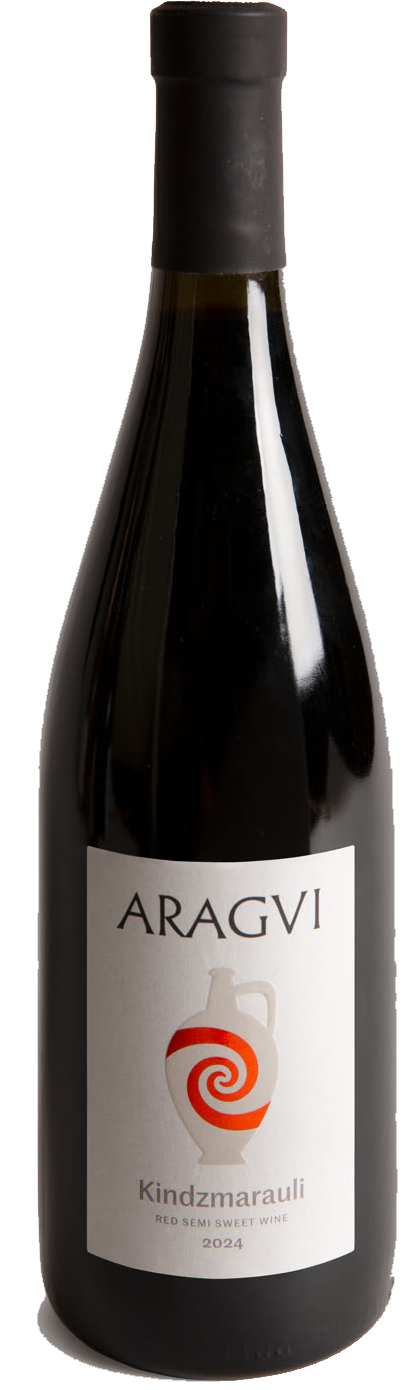
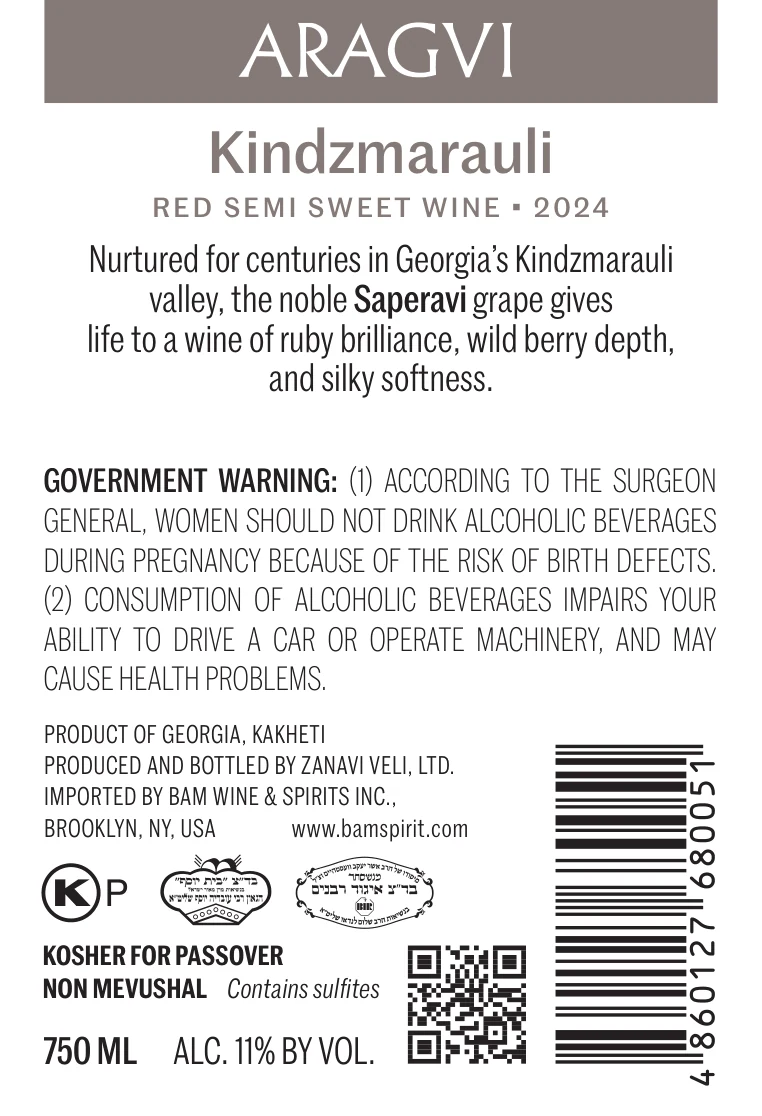
In the east, Kakheti is Georgia’s great wine country. The Alazani Valley stretches between two mountain ranges, with the Kindzmarauli microzone nestled within it. Here, the character of the land is inseparable from the wine. Only grapes grown within this defined place can produce a true Kindzmarauli.
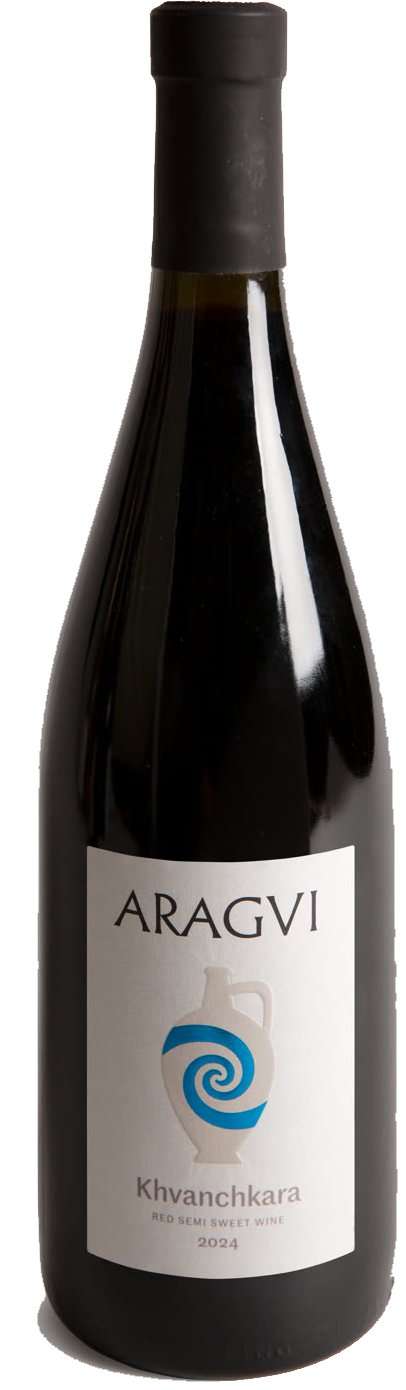
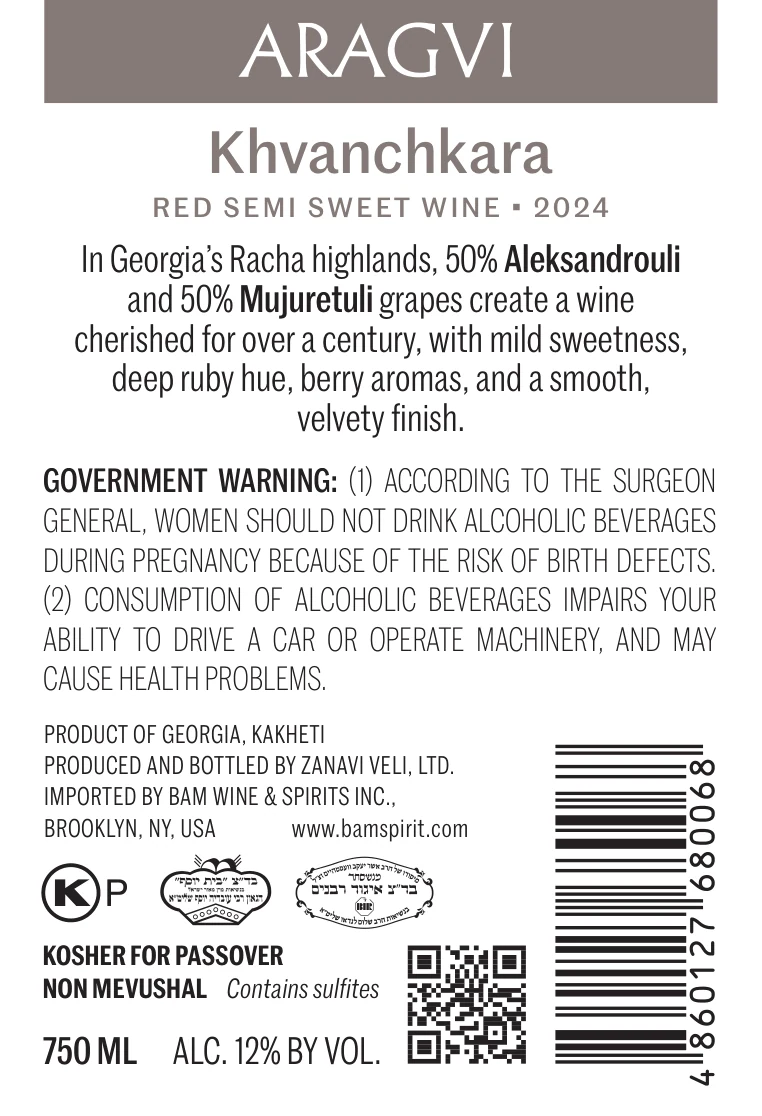
Farther west, in the highlands of Racha, the landscape becomes cooler, more secluded, and more intimate. Here, rare indigenous grapes are grown in very limited quantities, coming together to create Khvanchkara, a wine deeply connected to its place of origin.
Different landscapes. Distinctive grapes. Wines shaped by place.
Drag a bottle to turn it.
2023 · 100% SAPERAVI · 13% ALC.
A wine for today’s celebrations and tomorrow’s cellar. One bottle is rarely enough.
2024 · 100% SAPERAVI · 11% ALC.
The bottle you reach for when welcoming guests.
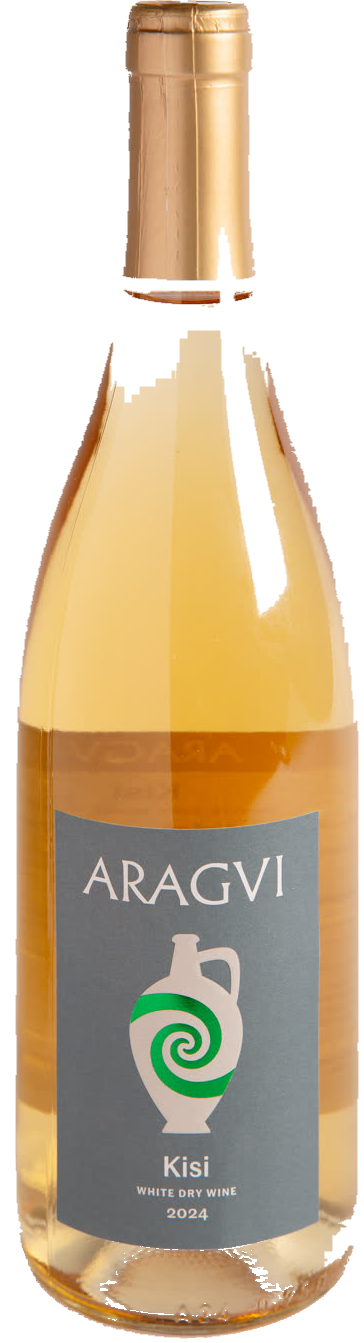
2024 · 50/50 ALEKSANDROULI, MUJURETULI · 12% ALC.
The bottle that always starts a conversation.
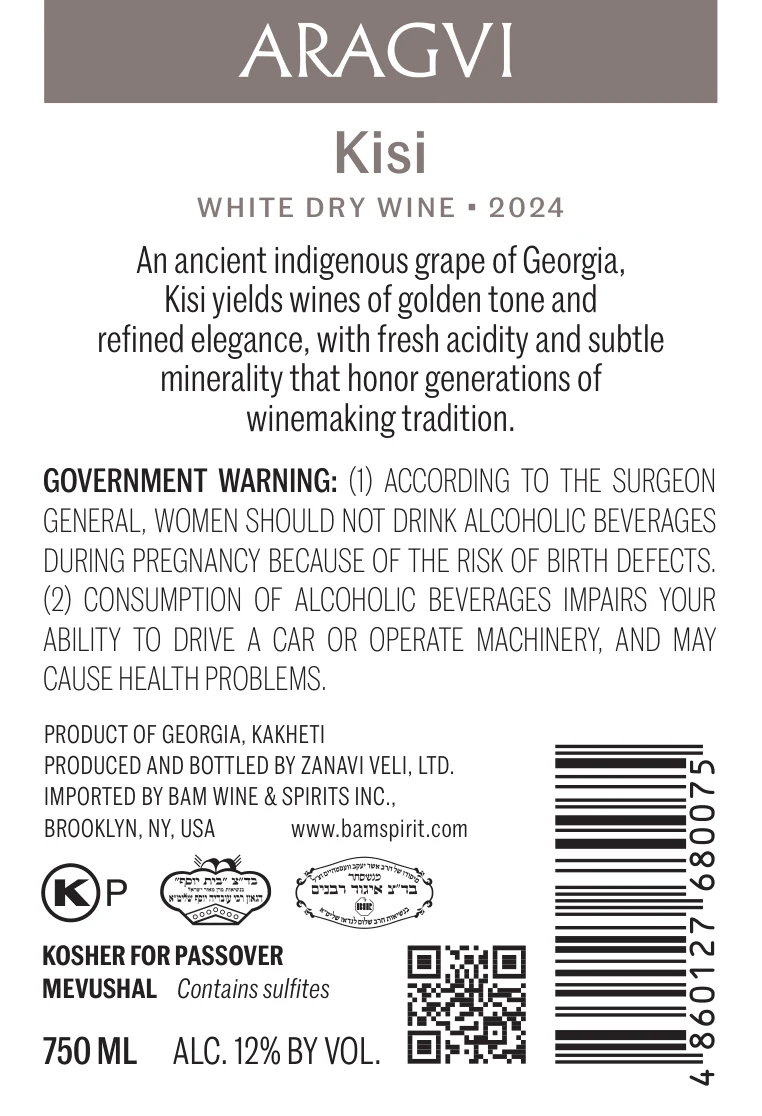
2024 · 100% KISI · 12% ALC.
Daytime wine - opened early, enjoyed slowly.
THE GEORGIAN METHOD
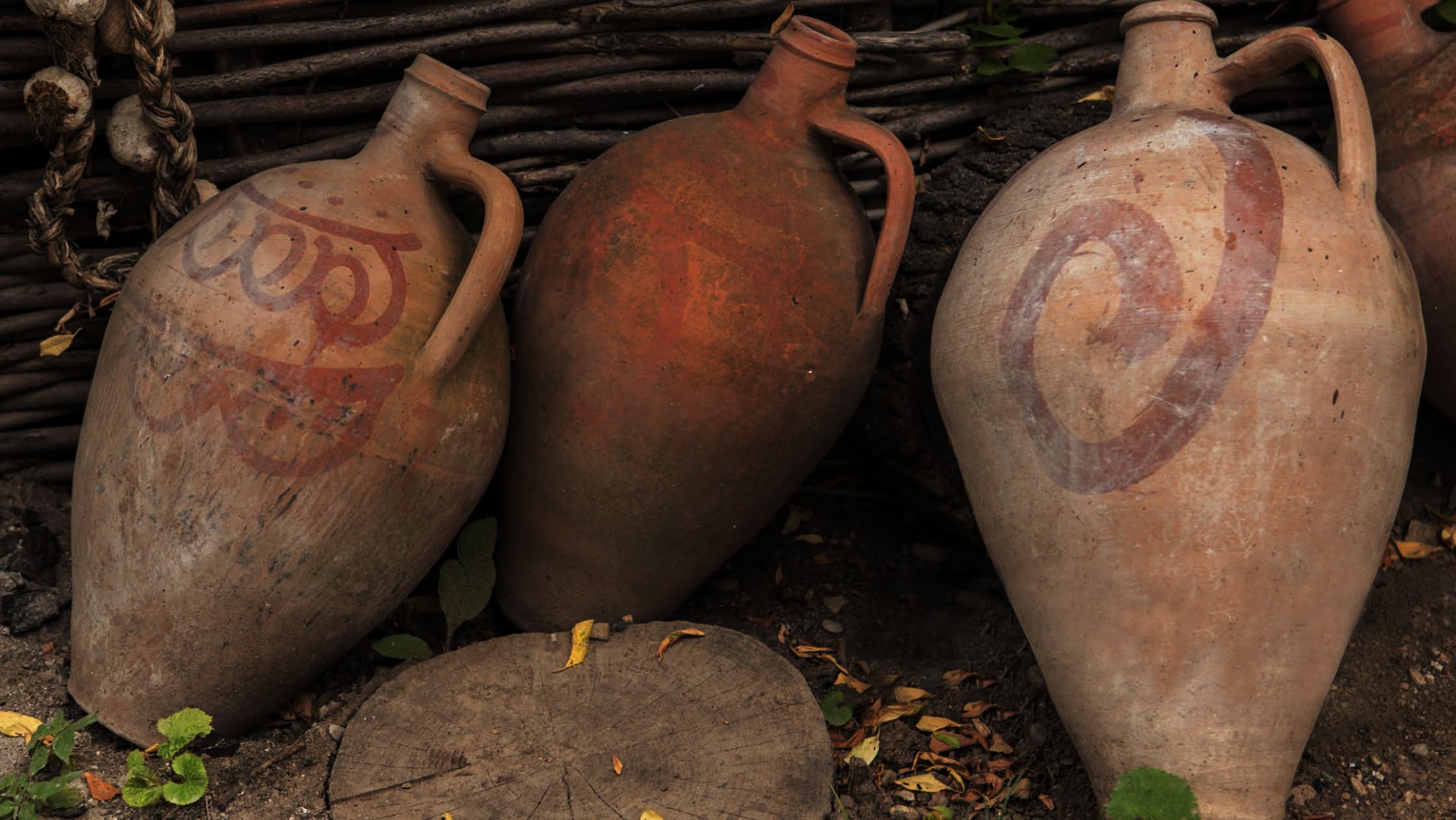
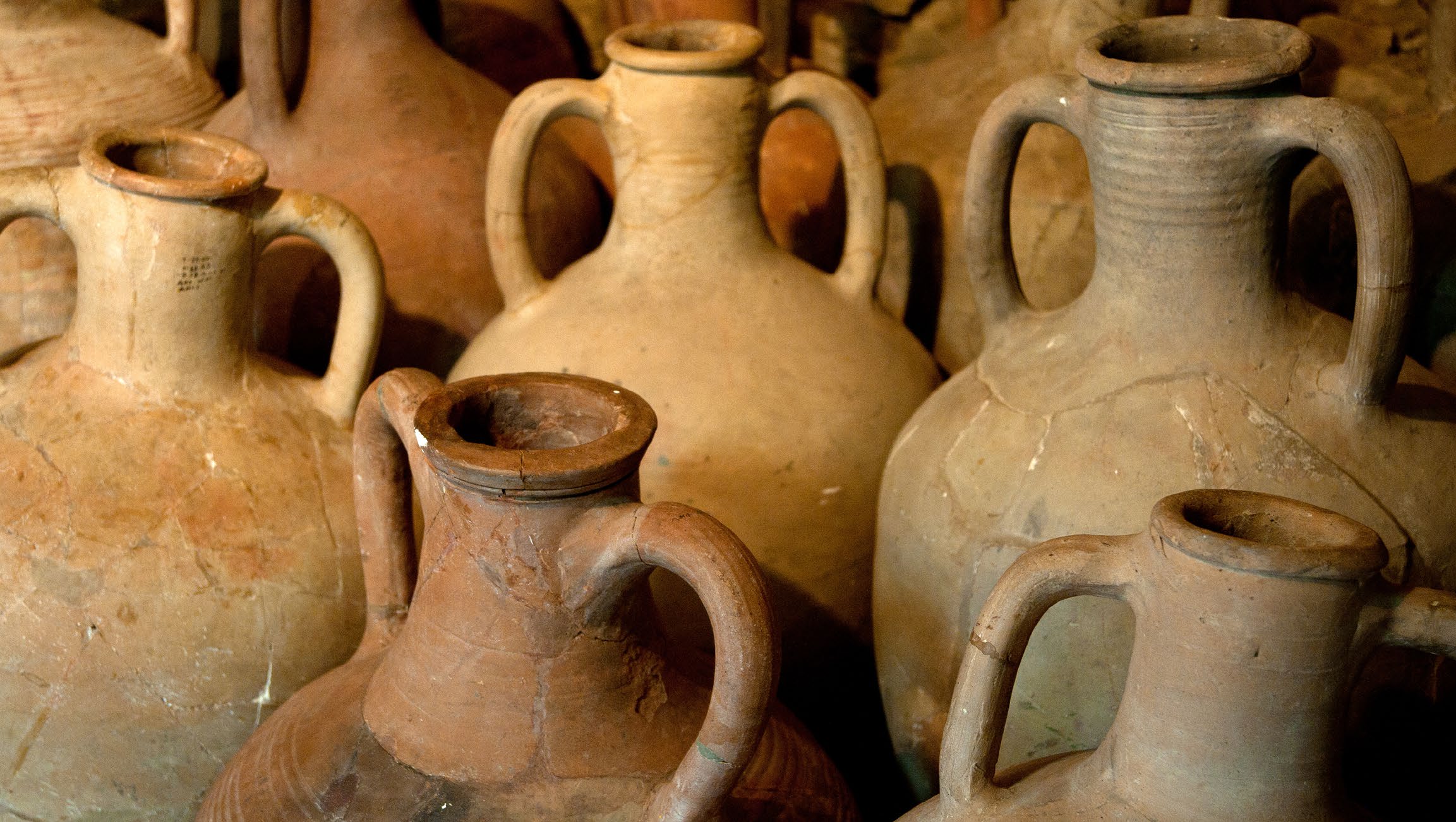
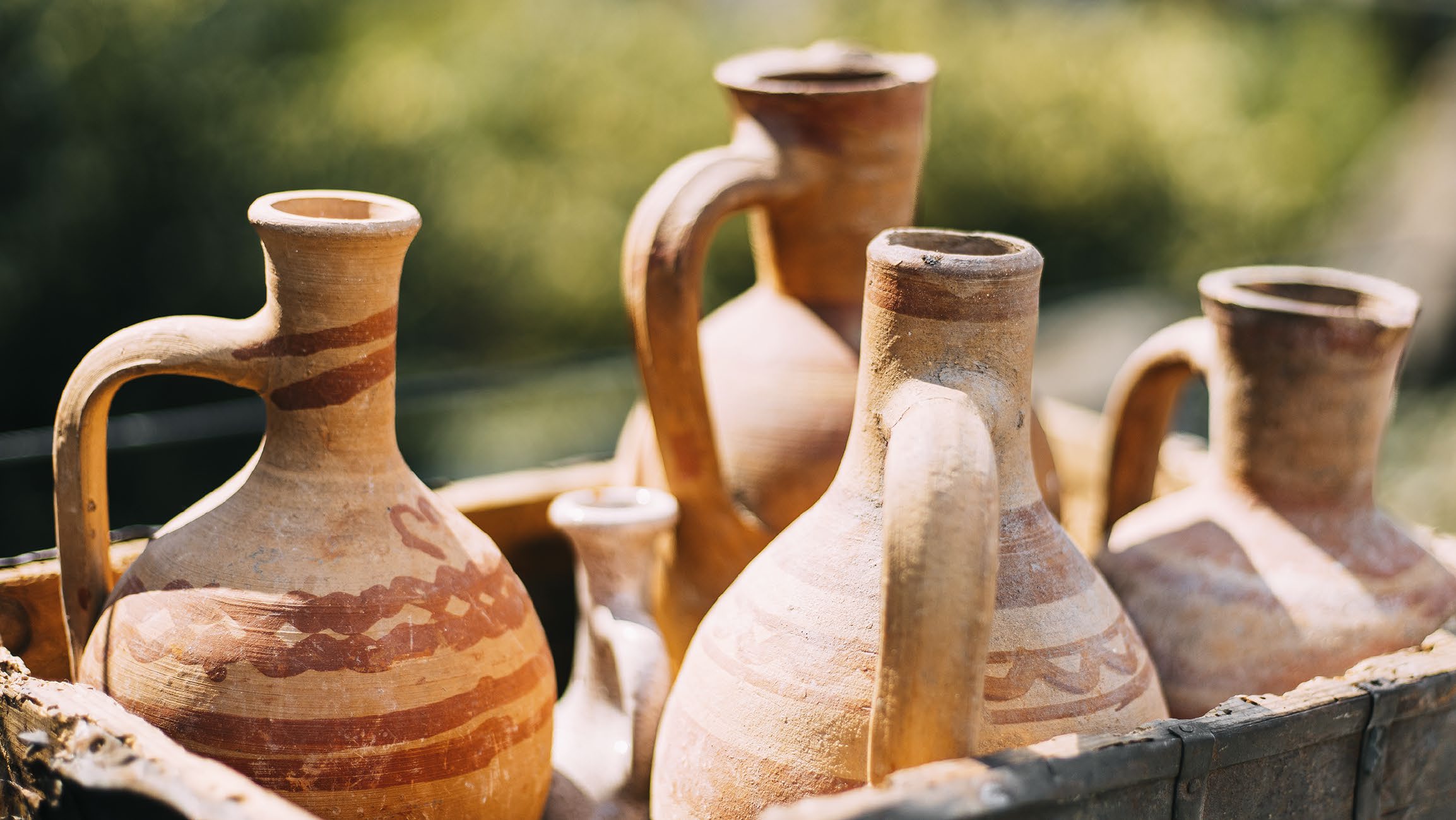
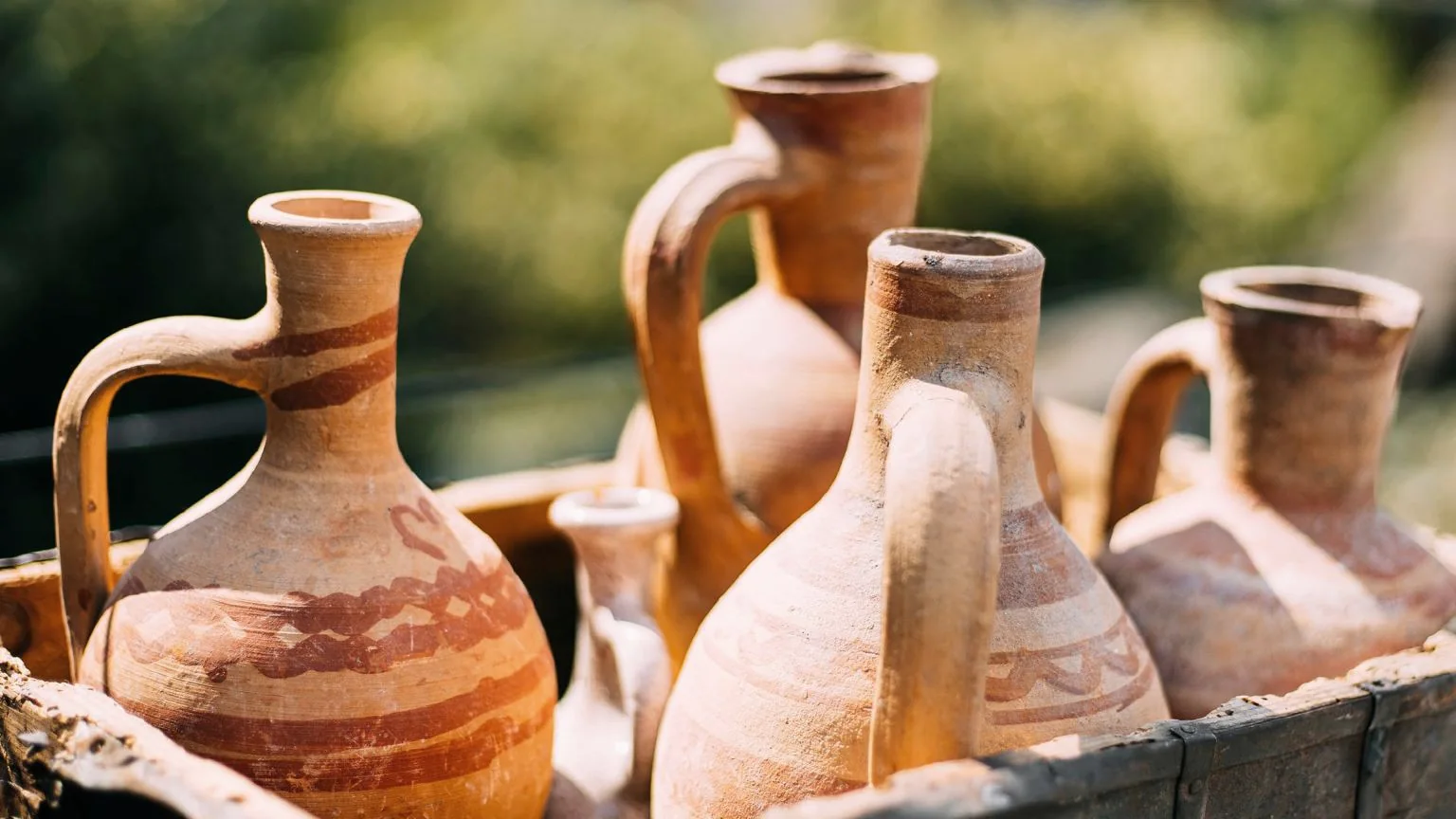
Long before stainless steel tanks and modern cellars, Georgian winemakers developed a way of making wine beneath the earth.
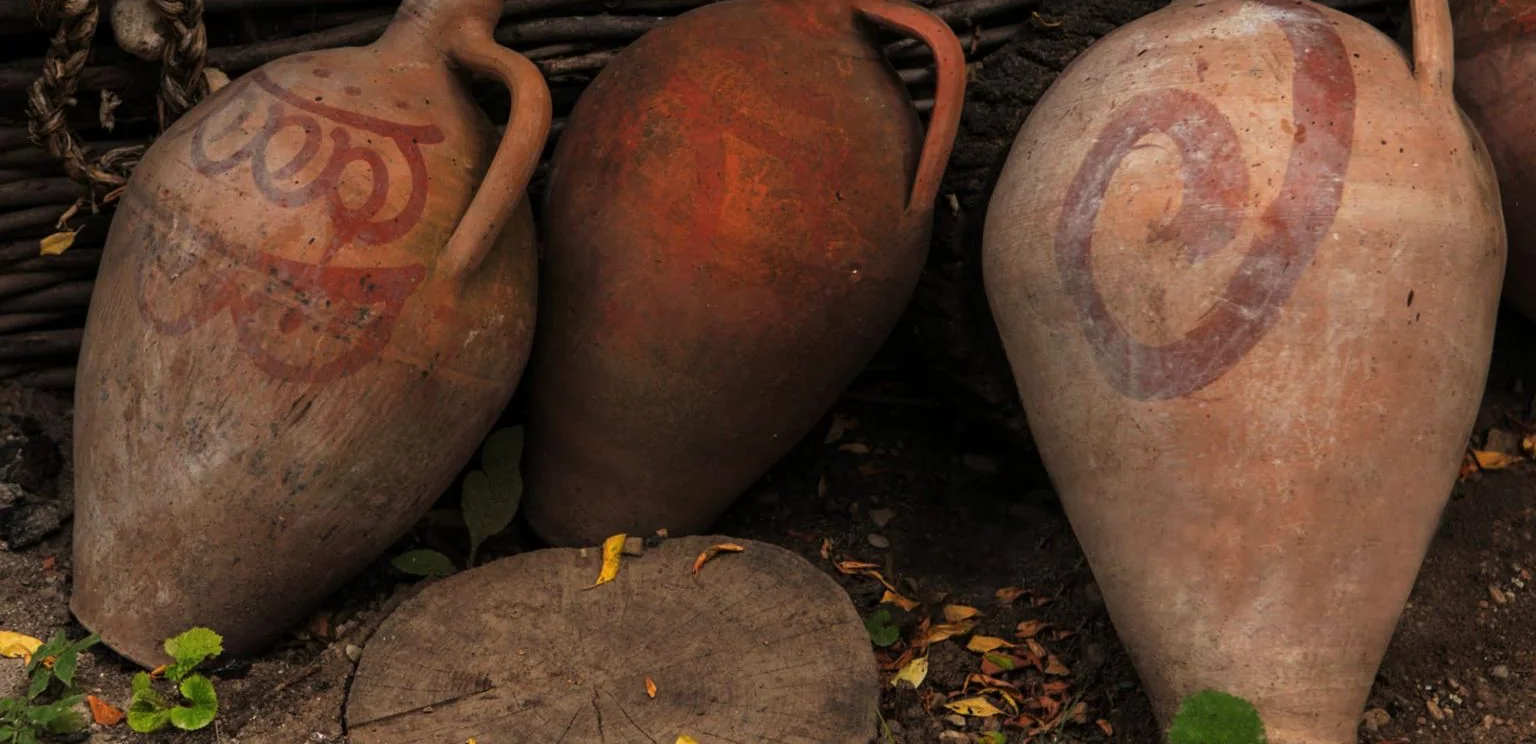
The Qvevri is a large, egg-shaped clay vessel buried in the ground. Grapes are placed inside, while the surrounding earth provides a naturally stable environment for the wine.
Clay, earth, grape, and time become part of the winemaking process.
FROM EARTH TO WINE
Earth and water, shaped into the ARAGVI symbol.
Worth knowing.
Something else?
+1 718 404-9392
info@aragvi.wine
Every wine has its own page.
READ THE WINESStart with the occasion.
Guests just arrived? Open Kindzmarauli, generous, smooth, and naturally inviting.
Want to surprise someone? Choose Khvanchkara, a rare Georgian wine with a story most people have never tasted.
Dinner is serious? Go for Saperavi Reserve, bold, structured, and made for the table.
Taking your time? Pour Kisi, fresh, distinctive, and perfect for a long afternoon.
Naturally semi-sweet means the wine’s sweetness comes from the natural sugars of the grapes, not from added sugar. During fermentation, yeast converts grape sugar into alcohol. For naturally semi-sweet wines, fermentation is stopped when a desired level of natural residual sugar remains, preserving a balance of sweetness, fruit, and freshness. Kindzmarauli and Khvanchkara are made in this traditional Georgian style.
Kisi is a white grape, but traditional skin contact gives the wine its distinctive golden-amber color, along with added texture and structure. White wine describes the grape and wine style. Amber describes its color and character. Orange wine is a broader term for white wines made with extended skin contact. White by grape. Amber by character. Georgian by tradition.
Not every bottle wants the same temperature.
Saperavi Reserve: decant first. Serve at 60 to 64°F.
Kindzmarauli and Khvanchkara: slightly chilled, 57 to 61°F.
Kisi: properly chilled, 50 to 54°F.
One simple rule: semi-sweet reds are better with a little chill. It keeps them fresh, balanced, and easy to enjoy.