
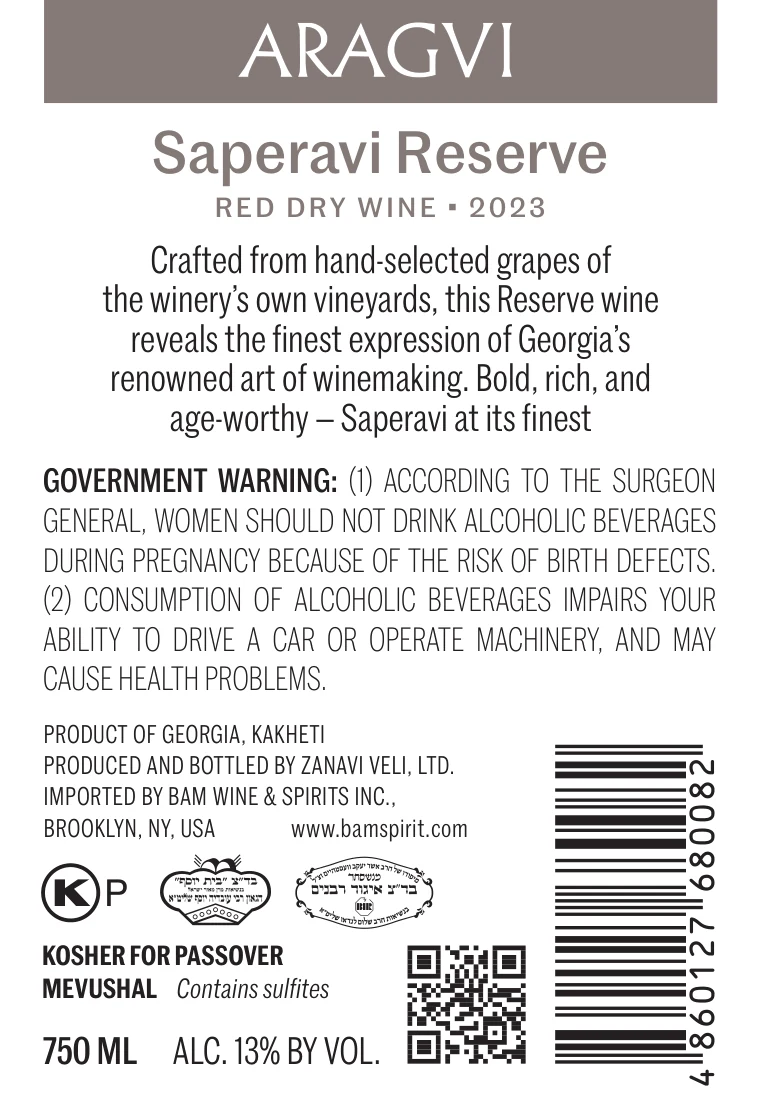
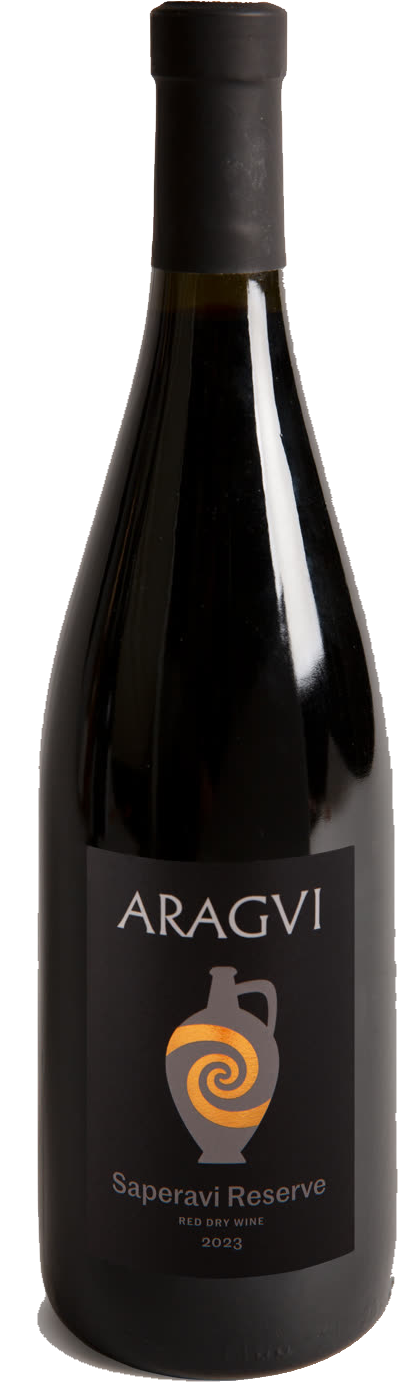
SAPERAVI RESERVE
2023 · 100% SAPERAVI · 13% ALC.
A wine for today’s celebrations and tomorrow’s cellar. One bottle is rarely enough.
ARAGVI
Where Rivers Become Wine
You must be 21 or older to enter this site.
GEORGIAN WINE
Wines from Kakheti and Racha, out of the country that has made wine for around eight thousand years.
SAPERAVI RESERVE
2023
Georgia’s signature red grape, grown and bottled in Kakheti.
KAKHETI, GEORGIA
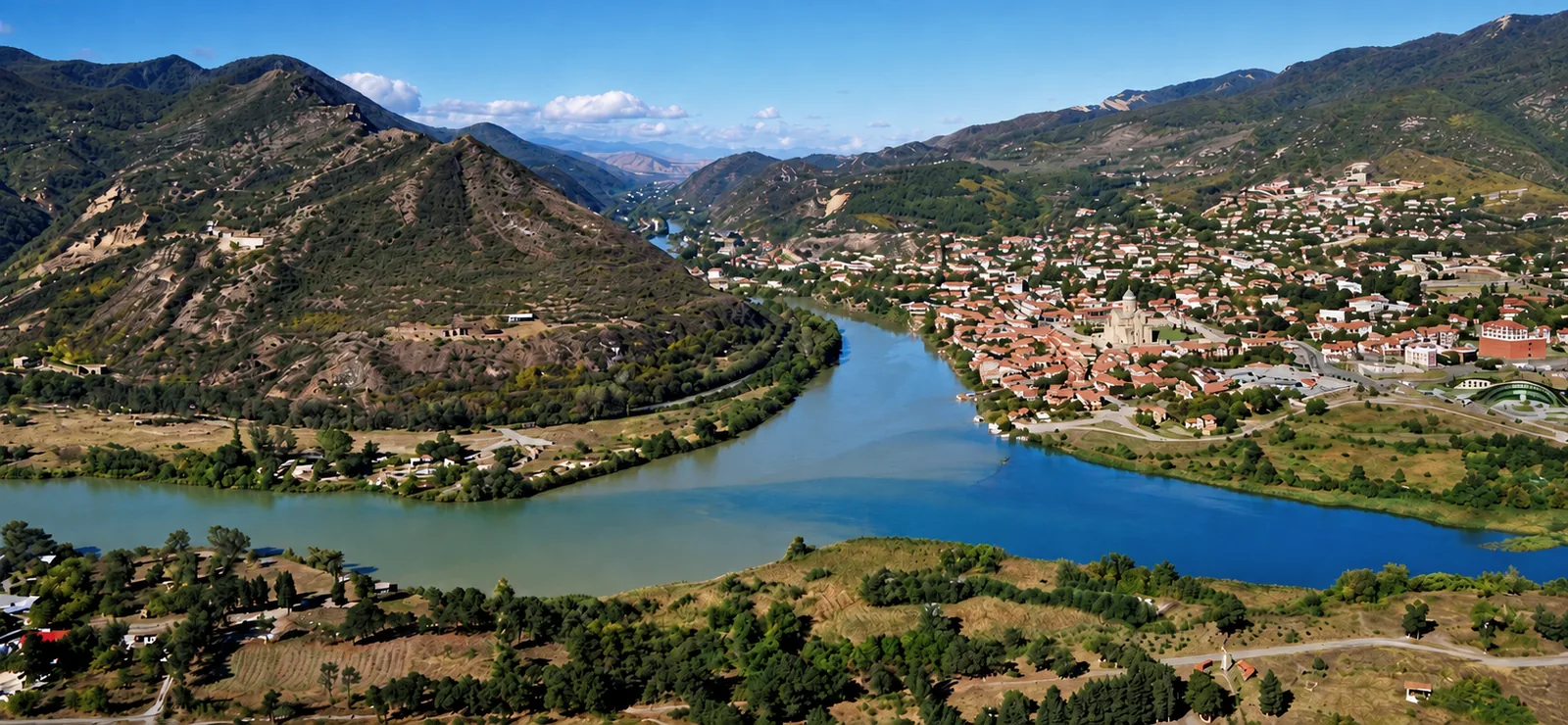
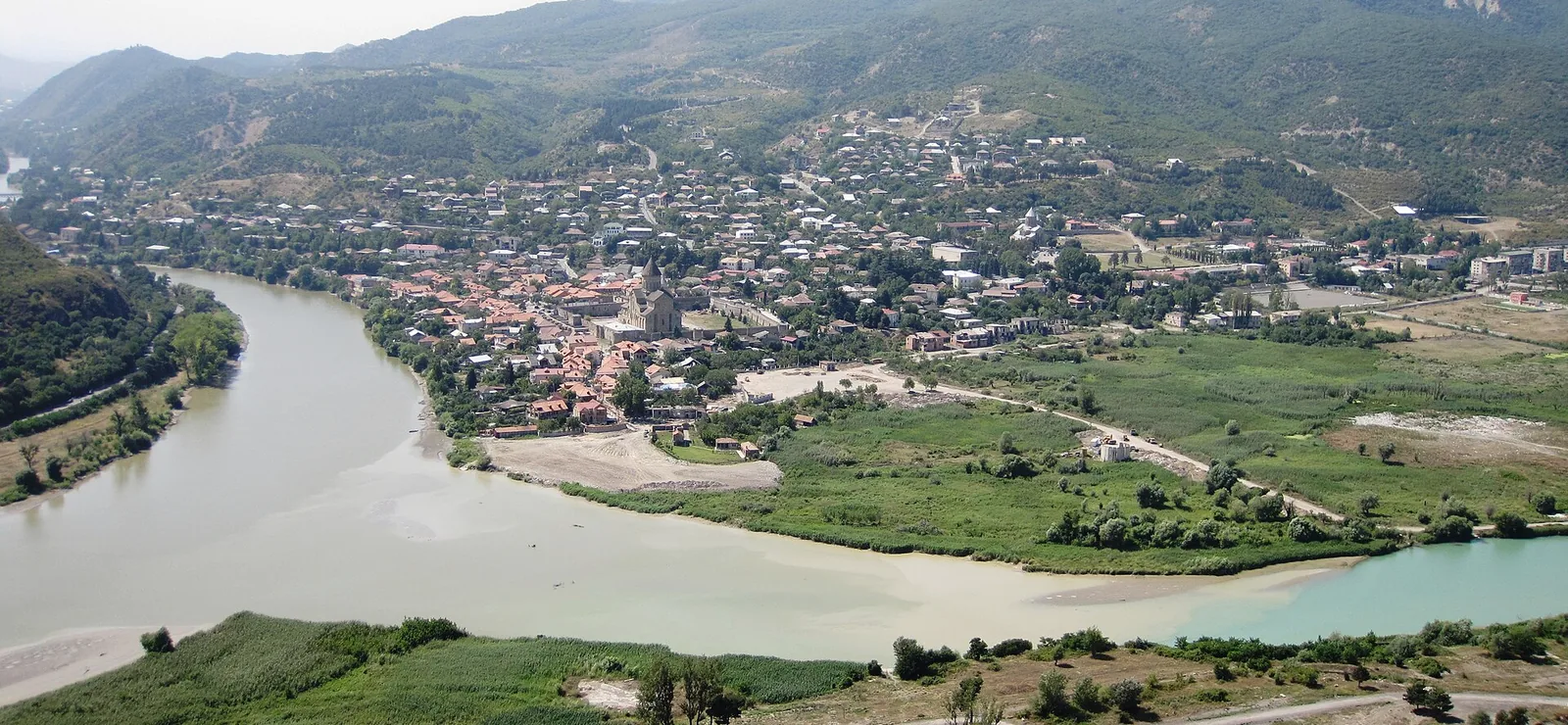
It was grown in the valleys under the Caucasus and bottled at the winery that made it, in a country that has been making wine longer than anywhere else on record.
THE LAND OF WINE
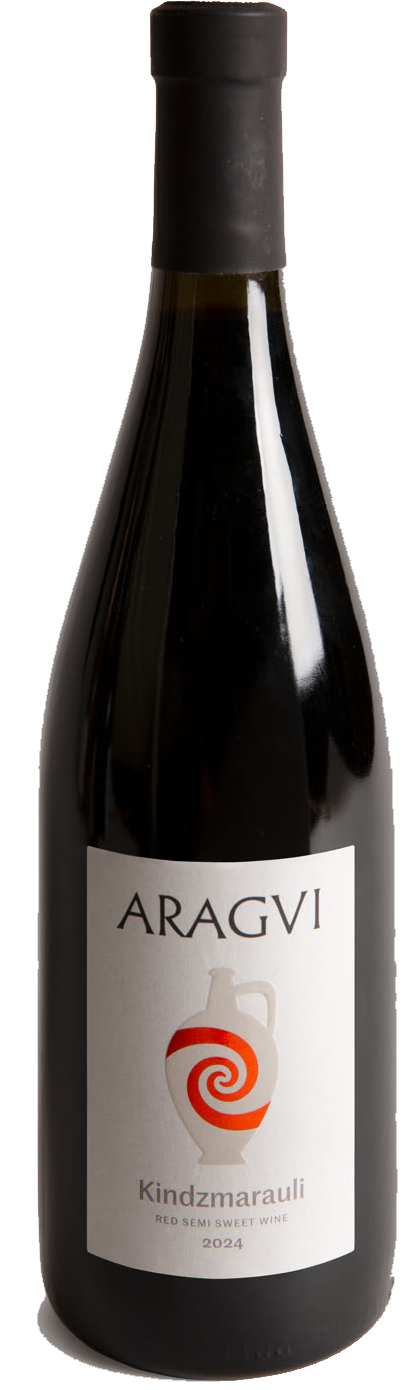
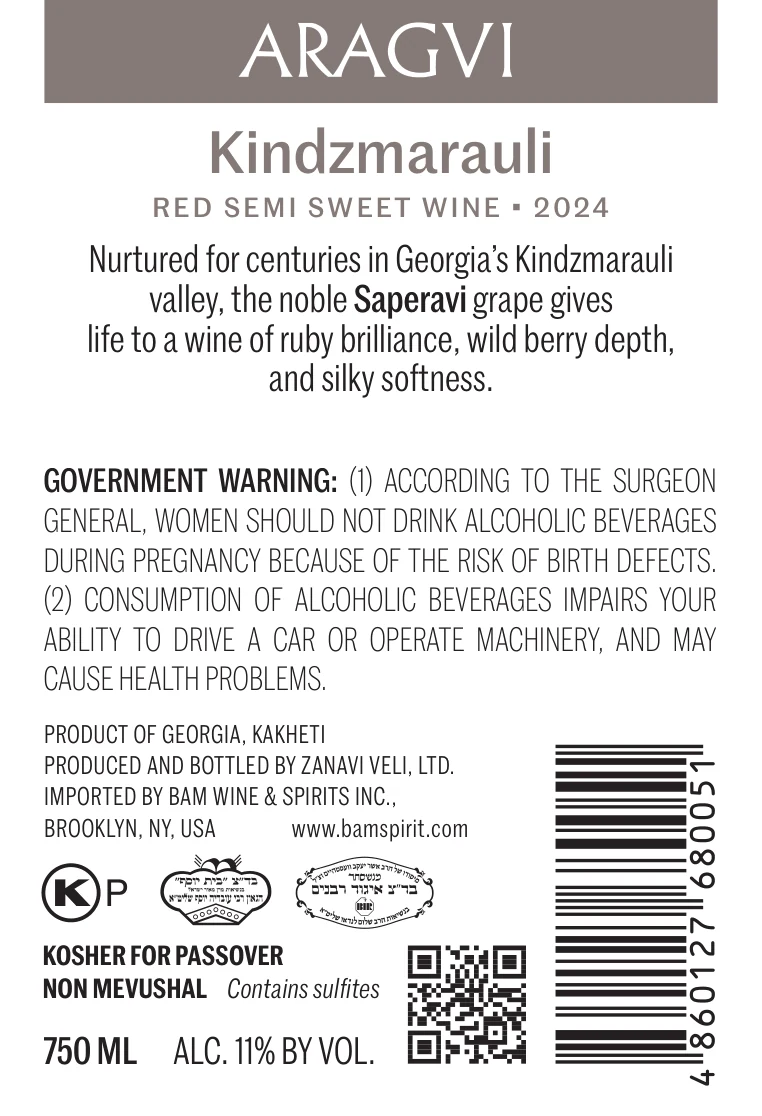
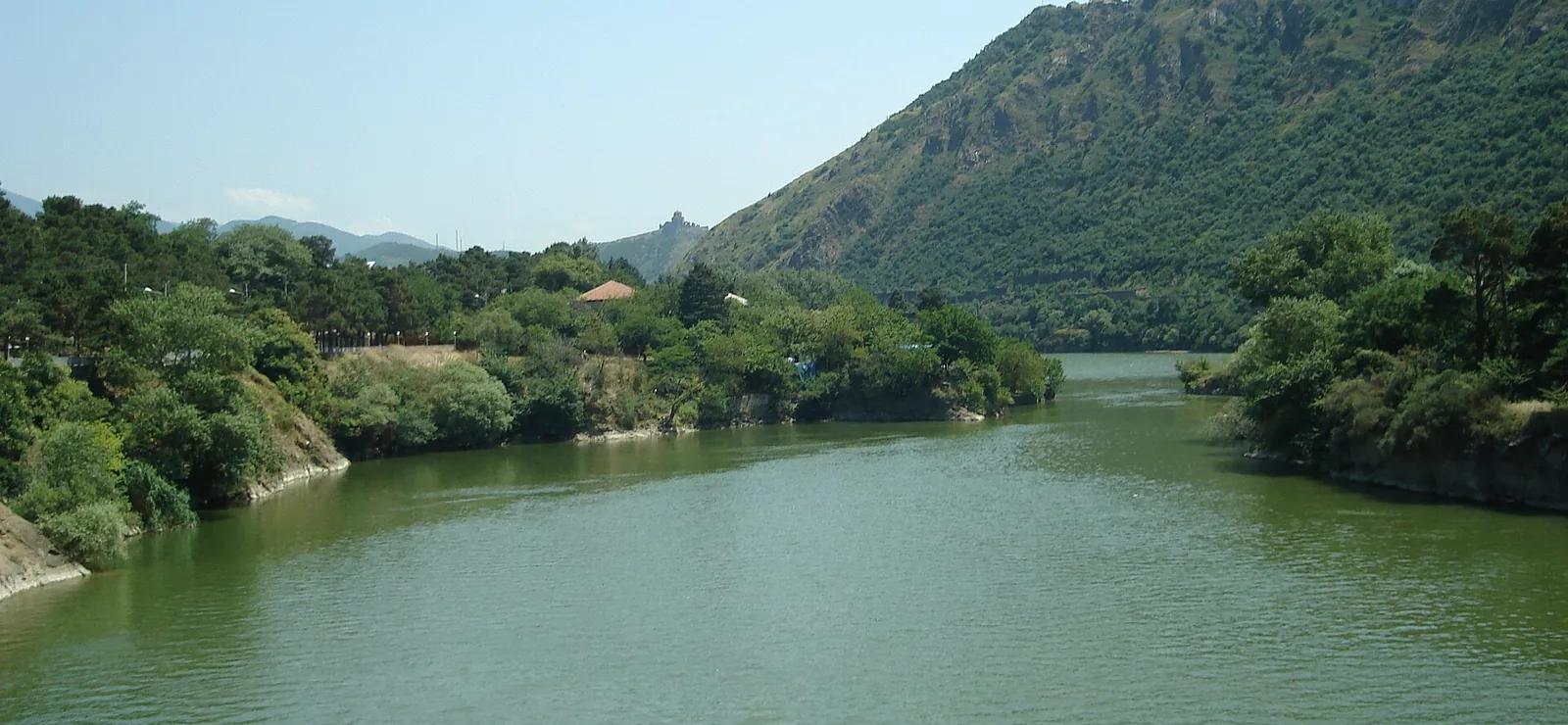
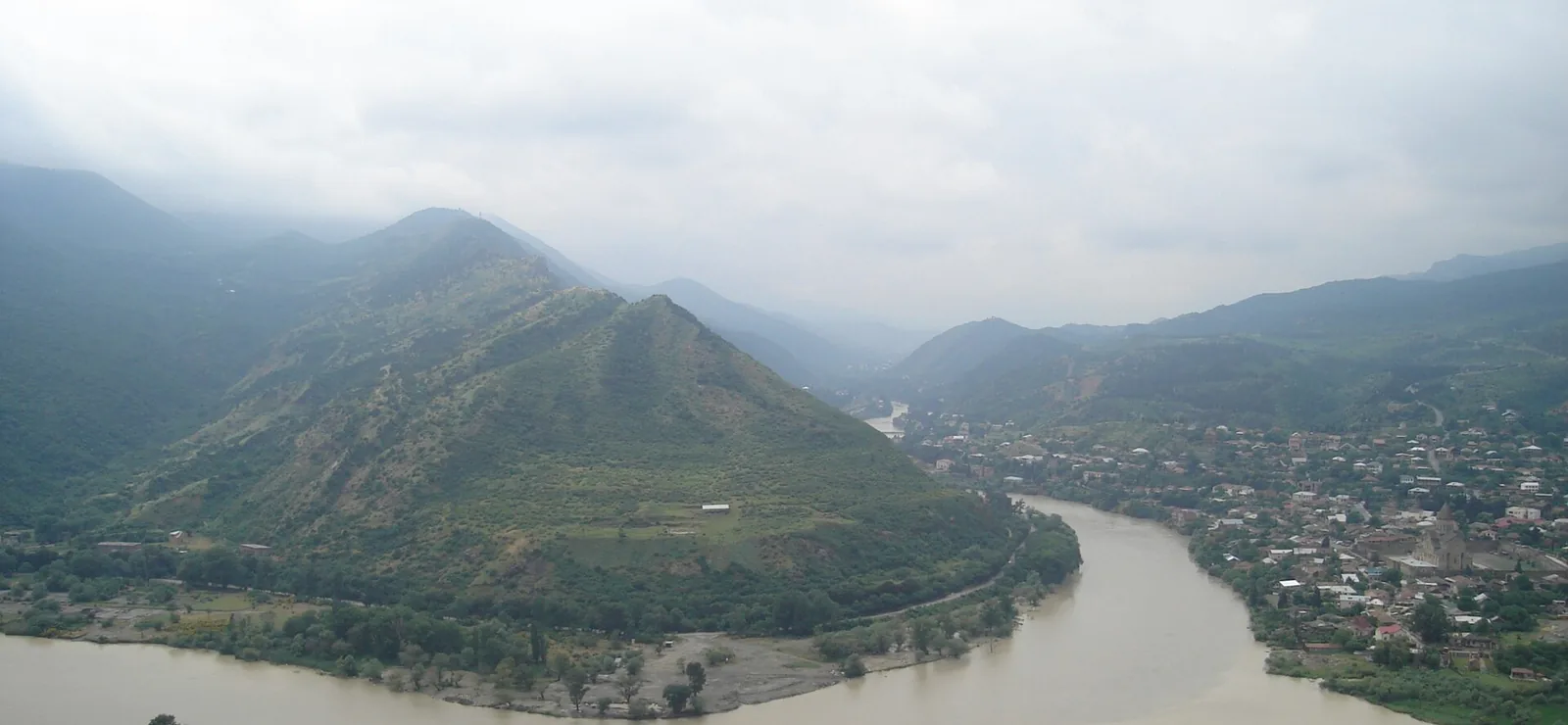
Three of these wines come from Kakheti, in the east, where the Alazani Valley runs between two mountain ranges and the Kindzmarauli microzone sits inside it. It is the valley most Georgian wine comes from, and it is the reason a Kindzmarauli can only be a Kindzmarauli if the grapes grew there.
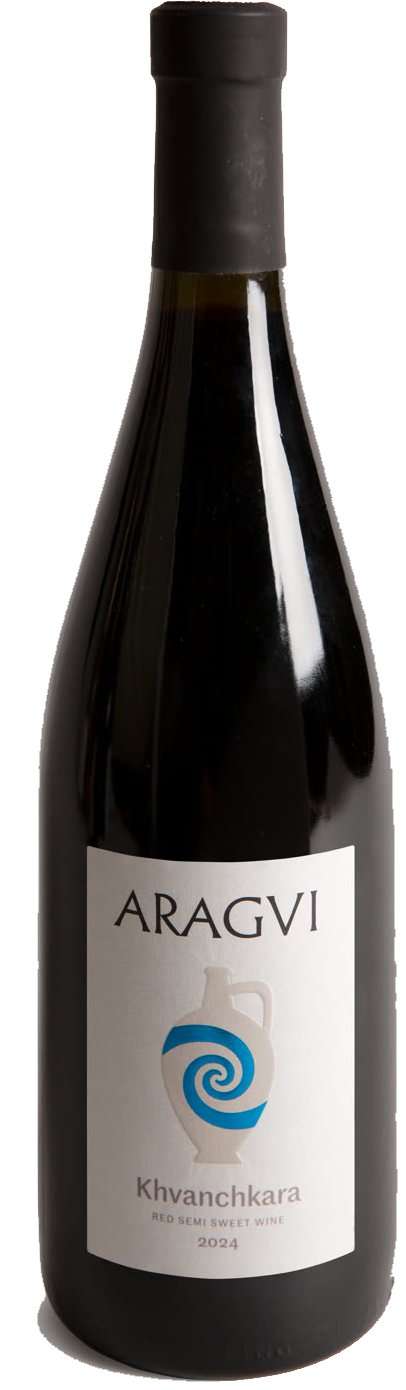
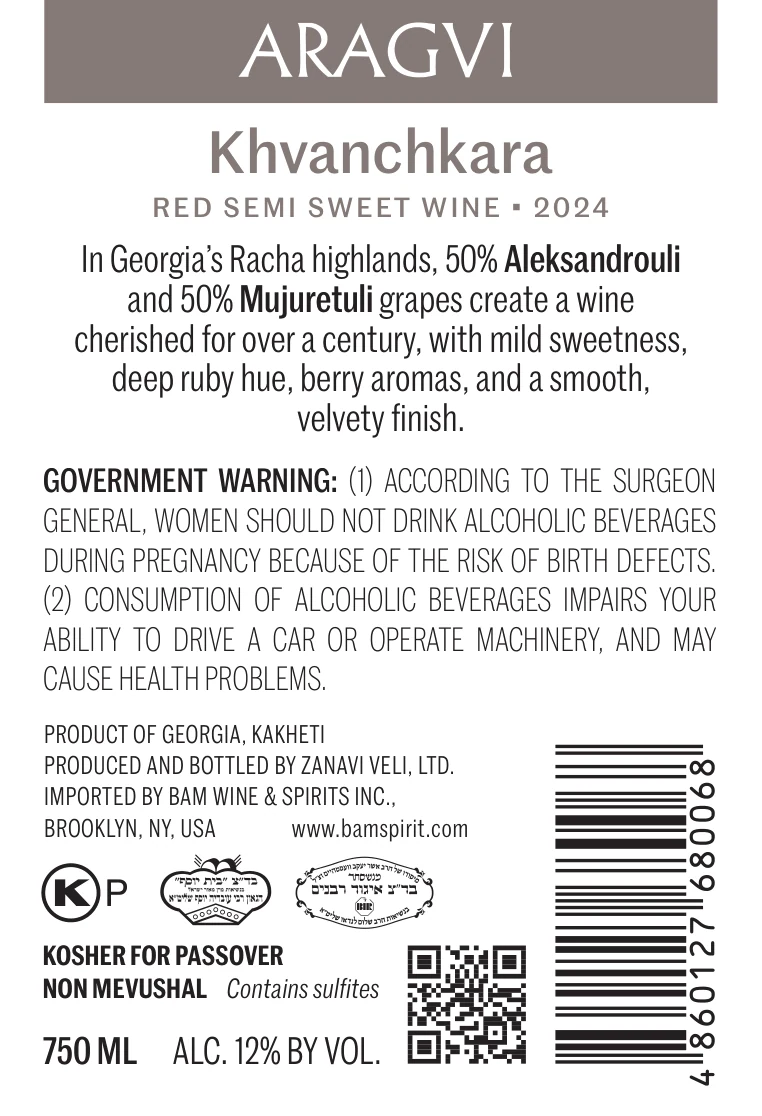
The other comes from Racha, in the west. Cool, high, and small. Two rare grapes grow there in very limited quantities, and the wine made from them is found nowhere else in the world.
Drag a bottle to turn it.
2023 · 100% SAPERAVI · 13% ALC.
A wine for today’s celebrations and tomorrow’s cellar. One bottle is rarely enough.
2024 · 100% SAPERAVI · 11% ALC.
The bottle you reach for when welcoming guests.
2024 · 50/50 ALEKSANDROULI, MUJURETULI · 12% ALC.
The bottle that always starts a conversation.
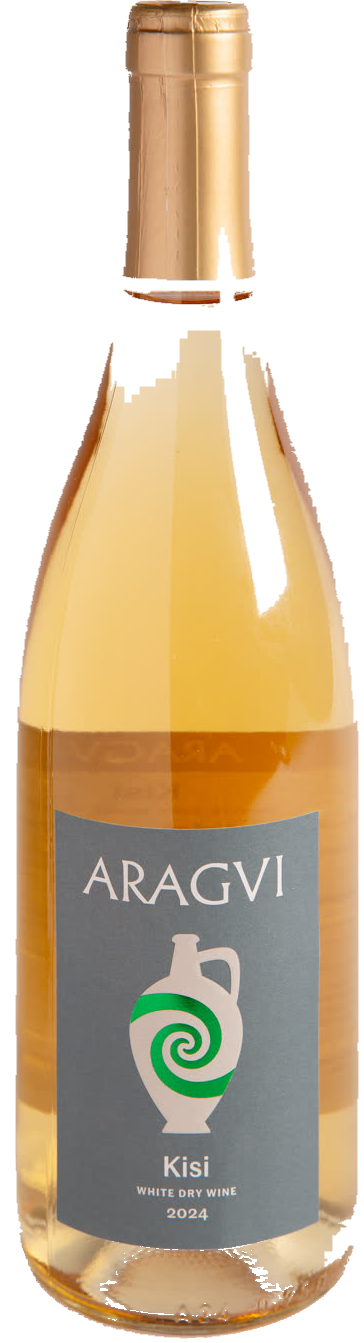
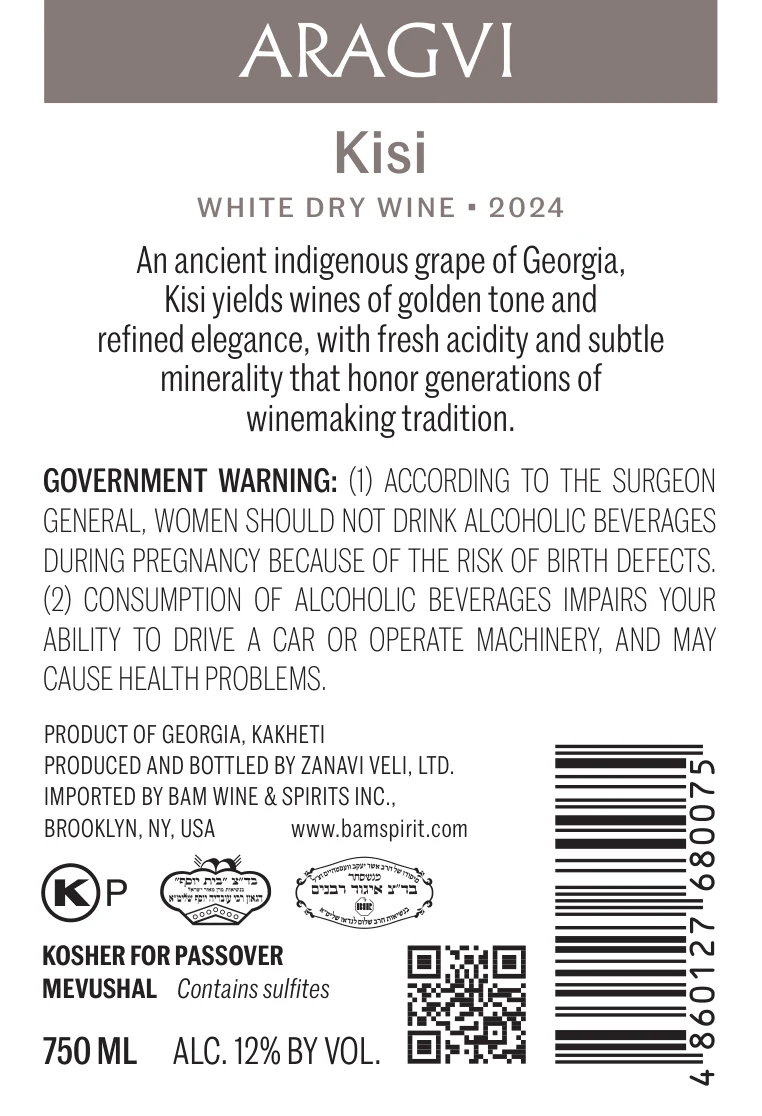
2024 · 100% KISI · 12% ALC.
Daytime wine - opened early, enjoyed slowly.
THE GEORGIAN METHOD
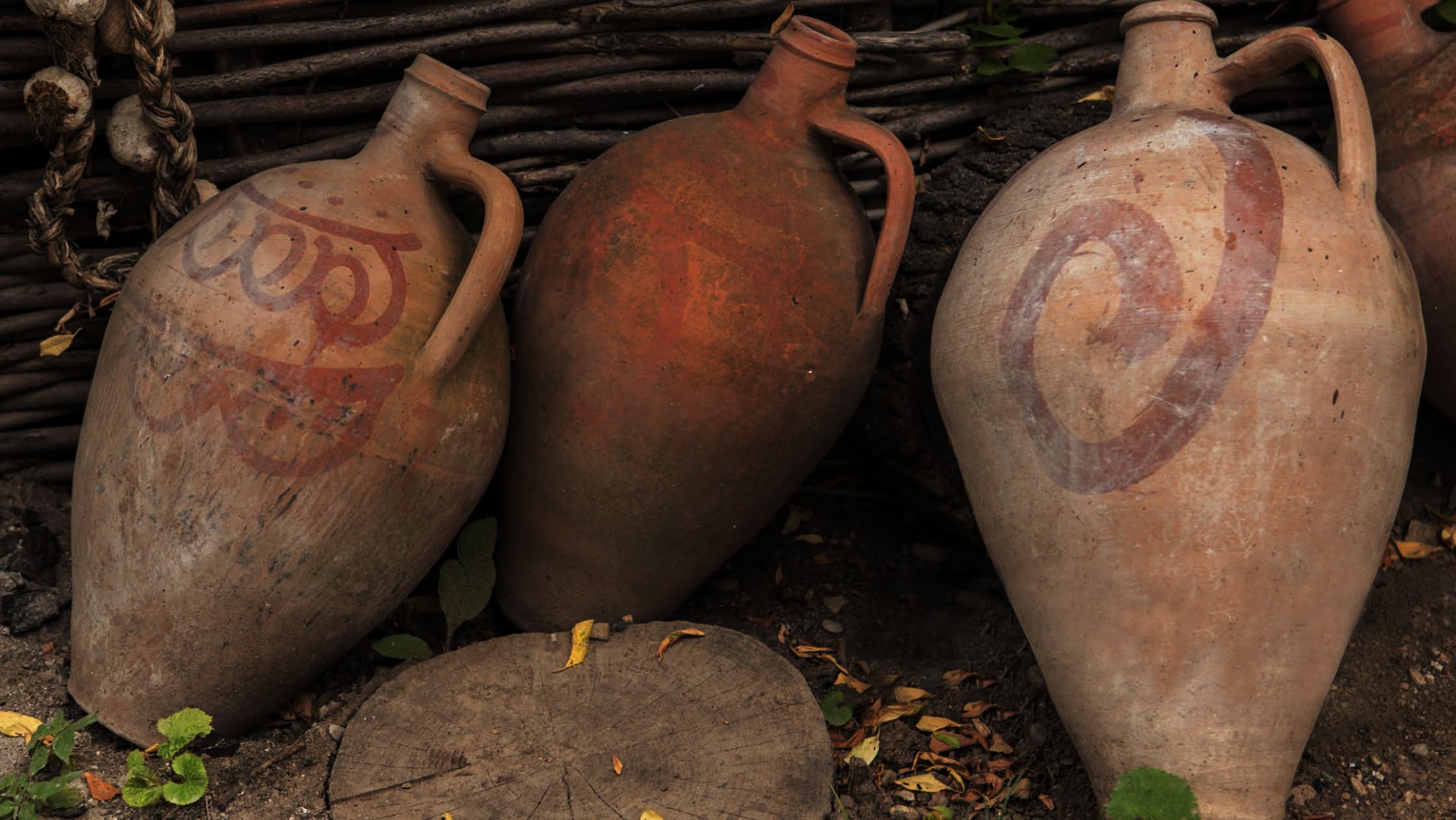
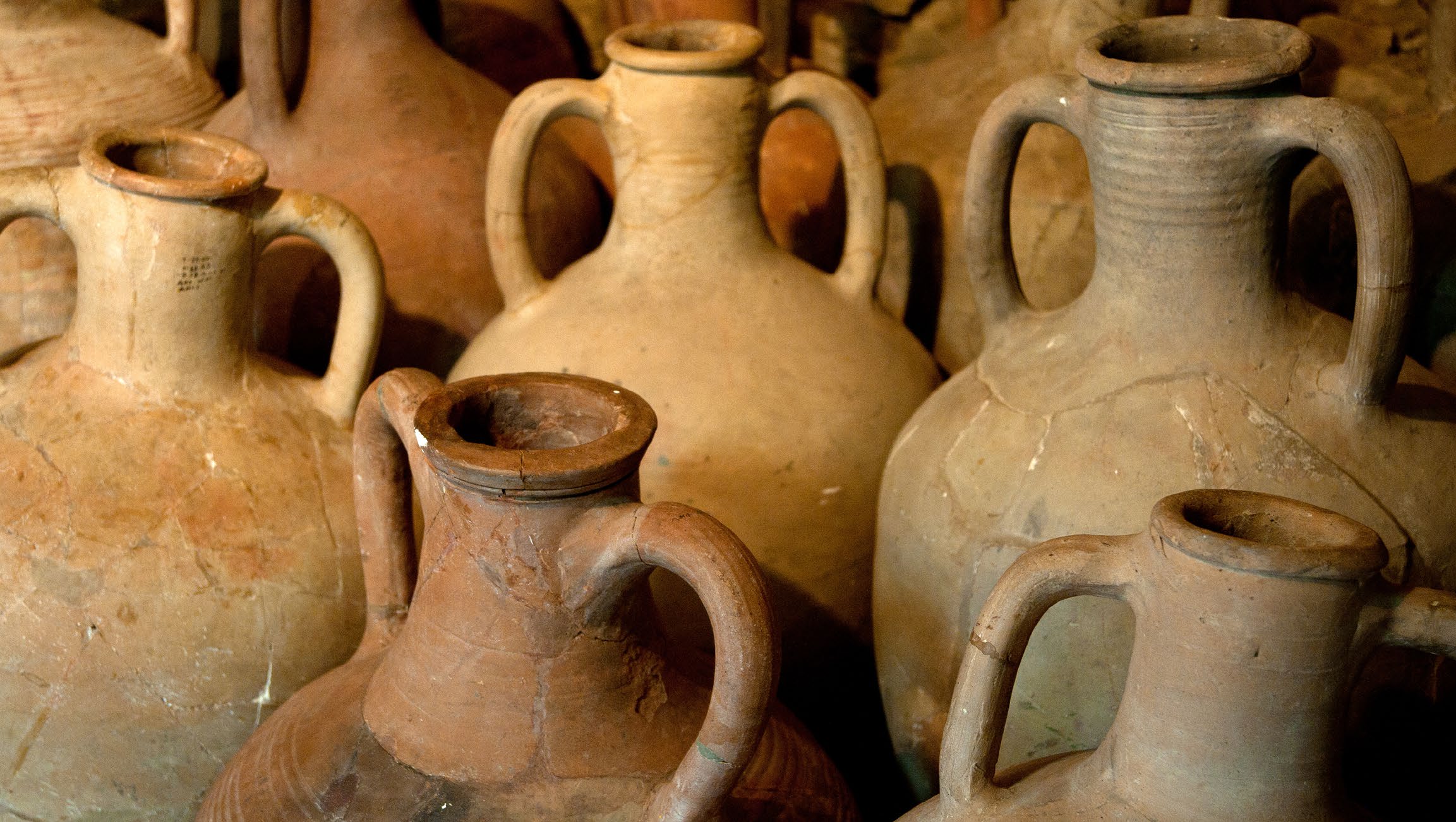
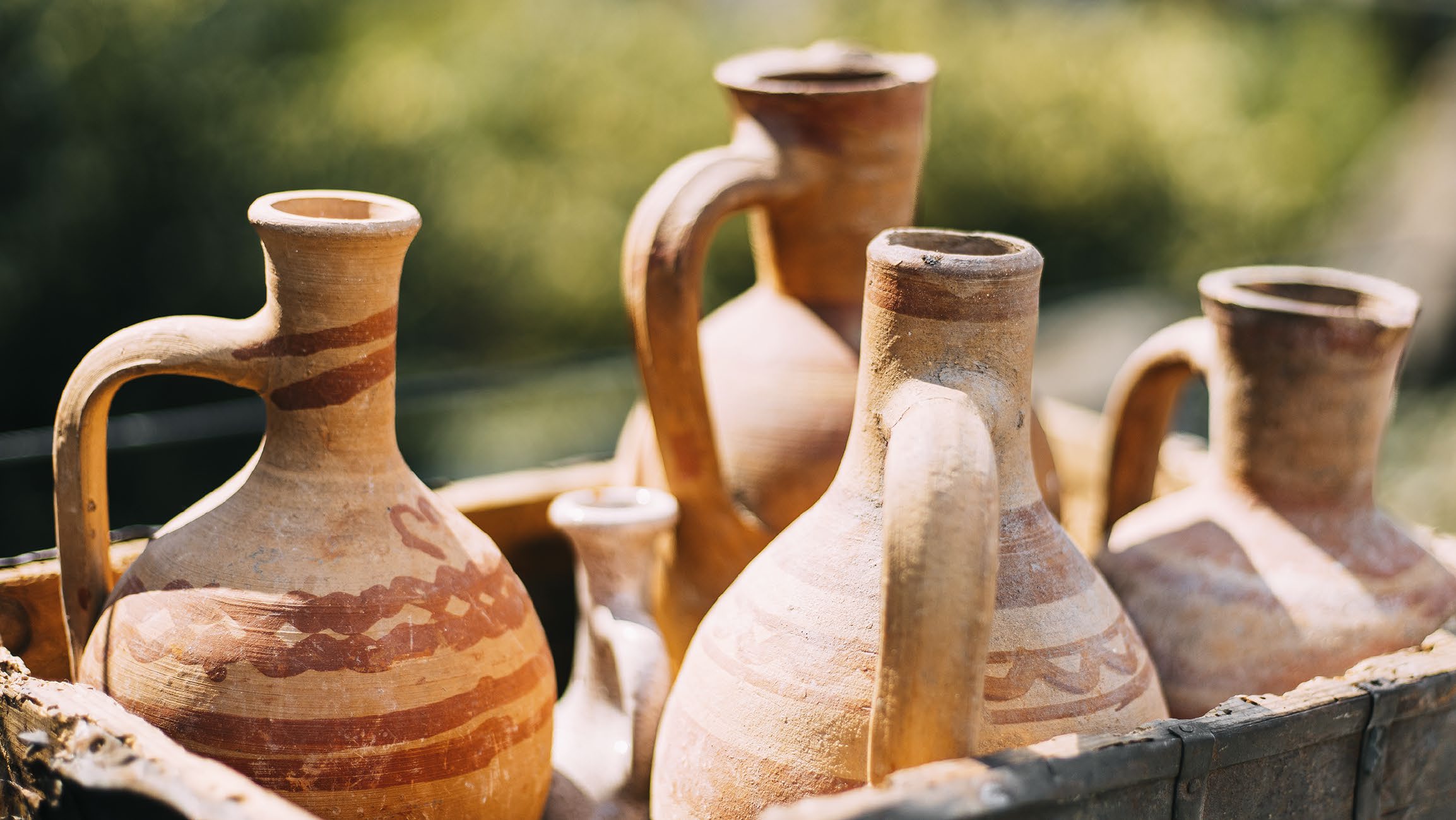
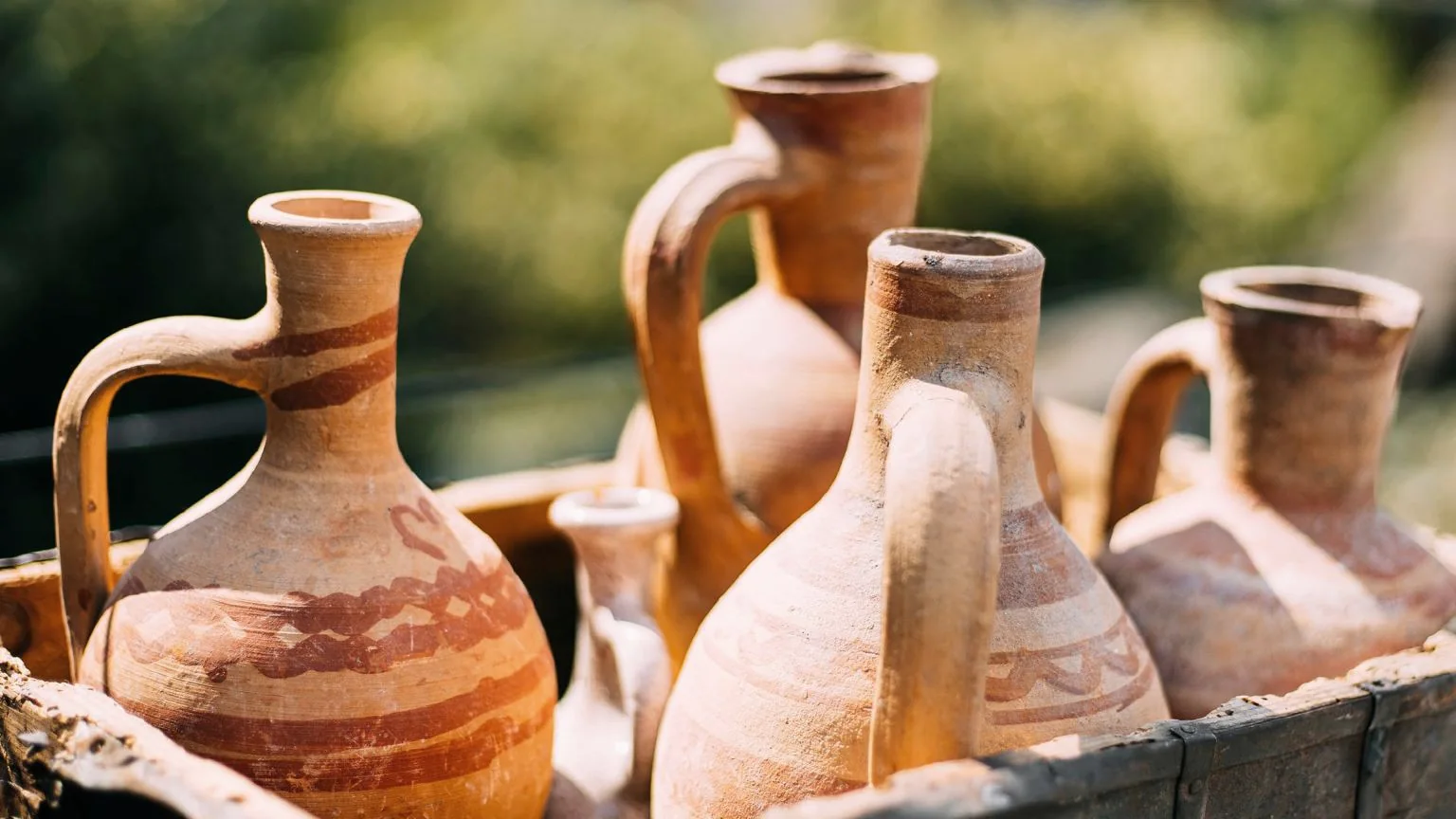
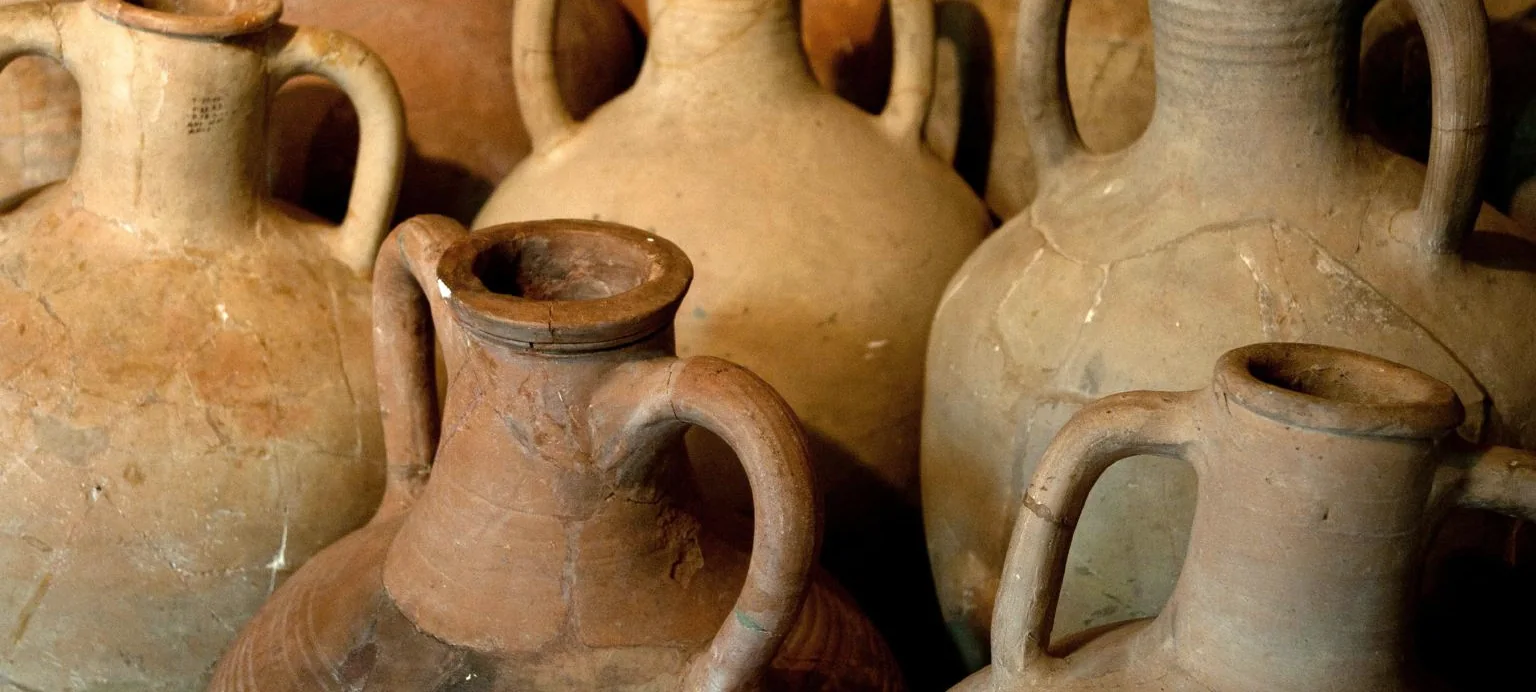
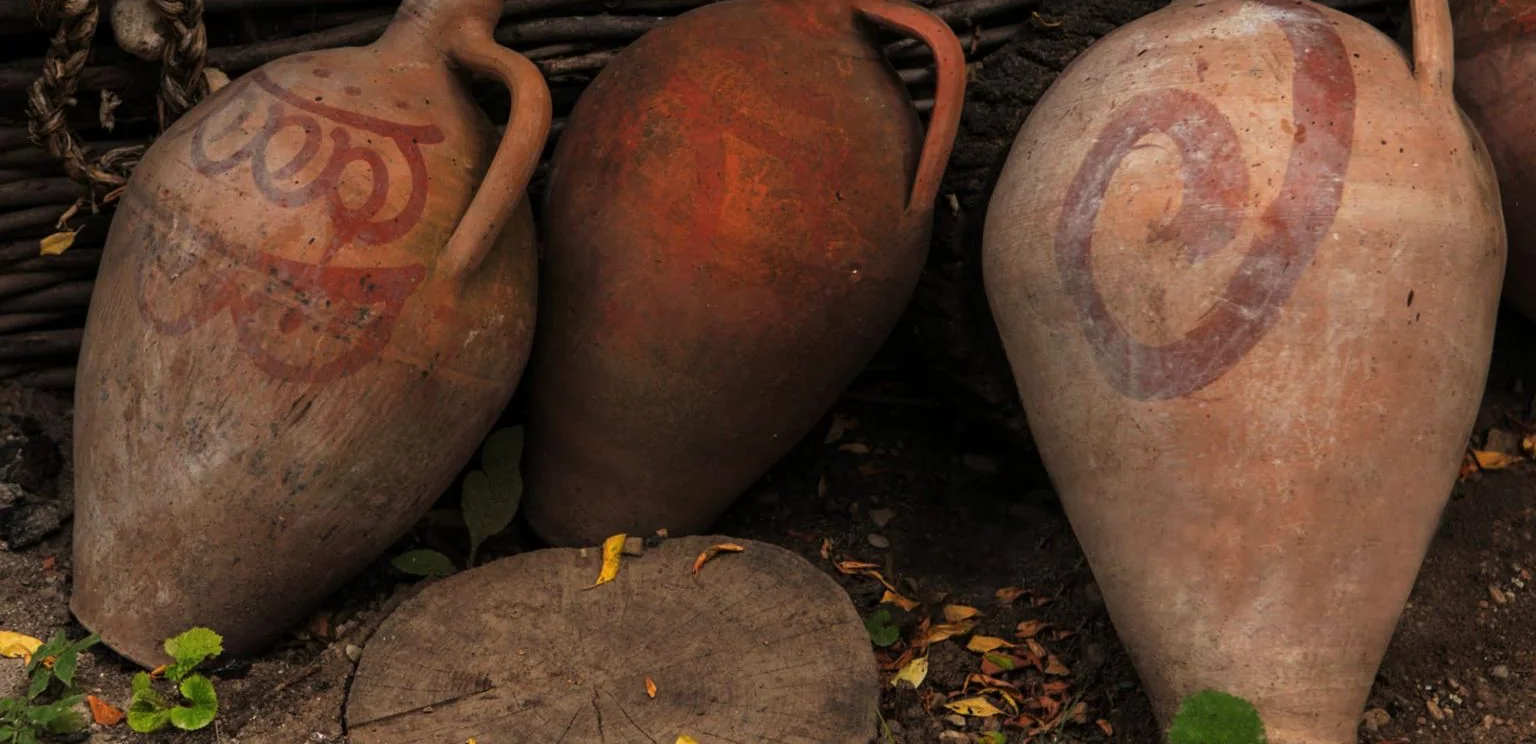
A qvevri is an egg shaped clay vessel, big enough to climb into, buried to its neck in the earth. The grapes go in, the ground holds the temperature steady, and the clay breathes. It is the vessel the ARAGVI mark is drawn from.
The method is around eight thousand years old, it is still in daily use, and UNESCO lists it as living heritage.
The ones we get asked most.
Something else?
+1 718 404-9392
info@aragvi.wine
Every wine has its own page.
READ THE WINESIt depends who is at the table. Kindzmarauli is the one to reach for when guests arrive, semi-sweet and easy to like even by people who say they do not drink sweet wine. Khvanchkara is the one that starts a conversation, because almost nobody at the table has had those two grapes before. Saperavi Reserve is the serious red, worth decanting. Kisi is the daytime bottle, opened early and drunk slowly.
Saperavi Reserve wants decanting first, then 60 to 64 degrees. Kindzmarauli and Khvanchkara go slightly chilled, 57 to 61, which keeps them fresh rather than syrupy. Kisi goes properly cold, 50 to 54, in a clear glass. Serving a semi-sweet red too warm is the fastest way to make it taste heavier than it is.
Kisi is a white grape left sitting on its own skins the way a red is, and that is what turns it gold instead of pale. It picks up grip and a mineral finish you do not get from an ordinary white, which is why it drinks like something between a white and a light red. The color is part of the experience, so pour it in a clear glass. On the label it still reads as a dry white, because that is the legal category it is sold under.
Kindzmarauli and Khvanchkara are naturally semi-sweet, which is the style those two appellations are known for. Saperavi Reserve is dry, and the Kisi is dry as well. If you are buying for a table where nobody agrees, take one of each and you are covered.